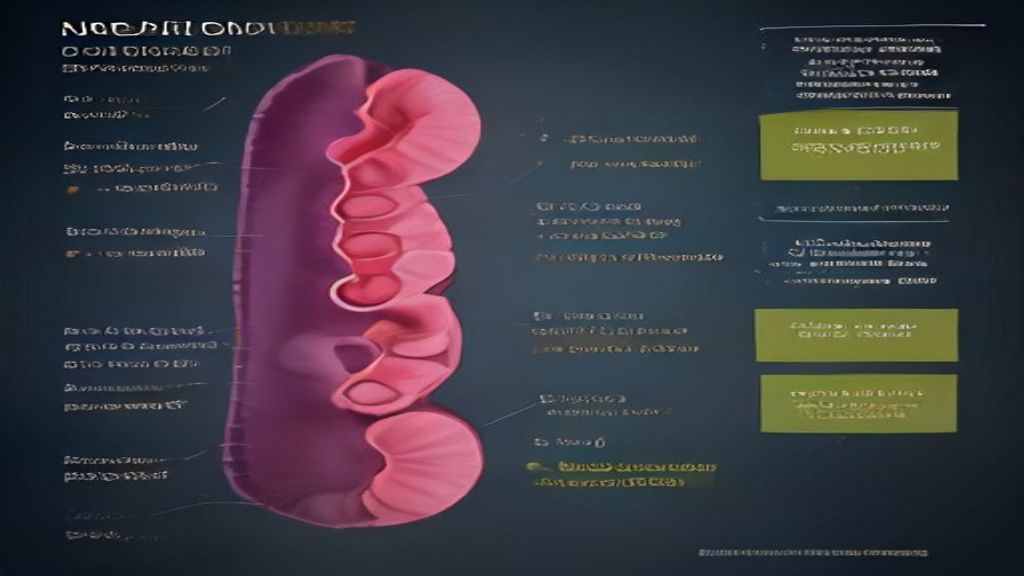
Ever wondered how the food you love turns into energy for your next cricket match?
💡 In Simple Words: The digestive system is like a kitchen and a conveyor belt rolled into one. It breaks down the bite you take, extracts the nutrients, and tosses out the waste – all without you thinking about it.
Digestive System Overview for NEET Biology
The human digestive system is a long tube that starts at the mouth and ends at the anus. Its job is to ingest (take in), break down food, absorb nutrients, and eliminate leftovers. Think of it as a water pipe: water (food) enters, pressure (muscle contractions) pushes it along, and the pipe’s filters (organs) clean out what you need.
Key Parts of the Digestive Tract
- Mouth: teeth chew (mechanical digestion) and saliva starts chemical digestion.
- Esophagus: a muscular tube that uses peristalsis (wave‑like muscle squeezes) to push food down.
- Stomach: mixes food with gastric juice, turning it into a semi‑liquid called chyme.
- Small Intestine: three sections (duodenum, jejunum, ileum) where most nutrients are absorbed.
- Large Intestine: absorbs water, forms stool, and houses helpful bacteria.
- Accessory Organs: liver (makes bile), pancreas (releases enzymes), and gallbladder (stores bile).
Digestive Enzymes – The Chemical Helpers
Enzymes are proteins that speed up chemical reactions, much like a chef’s knife speeds up chopping. The main enzymes you need for NEET are:
| Enzyme | Where It Acts | What It Breaks Down |
|---|---|---|
| Amylase | Saliva & Pancreas | Starches (carbs) |
| Pepsin | Stomach | Proteins |
| Trypsin & Chymotrypsin | Pancreas (into duodenum) | Proteins |
| Lipase | Pancreas & Small intestine | Fats |
| Nuclease | Pancreas | Nucleic acids (DNA/RNA) |
Step‑by‑Step Digestion Process
From the moment you bite into an apple to the point you flush the waste, the journey looks like this:
Each step is linked to a specific organ and set of enzymes. For example, in the stomach, pepsin works best at a very low pH (acidic environment) to cut proteins into smaller pieces.
Regulation of Digestion – Hormones and Nerves
The digestive system doesn’t work on its own; it gets signals from hormones (chemical messengers) and the nervous system. Key players include:
- Gastrin: released by the stomach lining, tells the stomach to secrete more acid.
- Secretin: released when acidic chyme enters the duodenum, signals the pancreas to release bicarbonate (a base) to neutralize the acid.
- Cholecystokinin (CCK): tells the gallbladder to squeeze out bile and the pancreas to release digestive enzymes.
- Vagus nerve: a nerve that speeds up peristalsis and stimulates enzyme release.
Quick Comparison: Small vs. Large Intestine
| Feature | Small Intestine | Large Intestine |
|---|---|---|
| Length | ~6‑7 meters | ~1.5 meters |
| Main Function | Absorption of nutrients | Absorption of water & electrolytes |
| Key Enzymes | Pancreatic enzymes, brush‑border enzymes | None (bacterial fermentation) |
| Microbial Activity | Low | High – helps produce vitamins B & K |
NEET‑Friendly Mnemonics
- “M‑E‑S‑S‑L‑I” for the order of organs: Mouth, Esophagus, Stomach, Small intestine, Large intestine.
- “G‑S‑C‑K” for hormones: Gastrin, Secretin, CCK (Cholecystokinin).
📝 Likely Exam Questions
- Describe the role of pancreatic lipase in digestion.
Answer: Pancreatic lipase breaks down dietary fats into fatty acids and monoglycerides in the small intestine, allowing them to be absorbed through the intestinal wall. - Explain how secretin regulates the pH of chyme in the duodenum.
Answer: Secretin is released when acidic chyme enters the duodenum; it stimulates the pancreas to secrete bicarbonate‑rich fluid, which neutralizes the acid and creates an optimal pH for intestinal enzymes. - List the major functions of the large intestine.
Answer: (i) Absorption of water and electrolytes, (ii) Formation and storage of feces, (iii) Fermentation of undigested material by gut bacteria, (iv) Synthesis of vitamin K and some B‑vitamins. - Compare the actions of amylase and pepsin.
Answer: Amylase, found in saliva and pancreatic juice, hydrolyzes starches into maltose (carbohydrate digestion) at neutral pH. Pepsin, secreted by stomach chief cells, cleaves peptide bonds in proteins into smaller peptides, working best in acidic pH. - Draw and label the flow of food through the digestive tract, indicating where major enzymes act.
Answer: (Student draws a simple diagram from mouth → esophagus → stomach (pepsin) → duodenum (amylase, lipase, trypsin) → jejunum/ileum (brush‑border enzymes) → large intestine.)