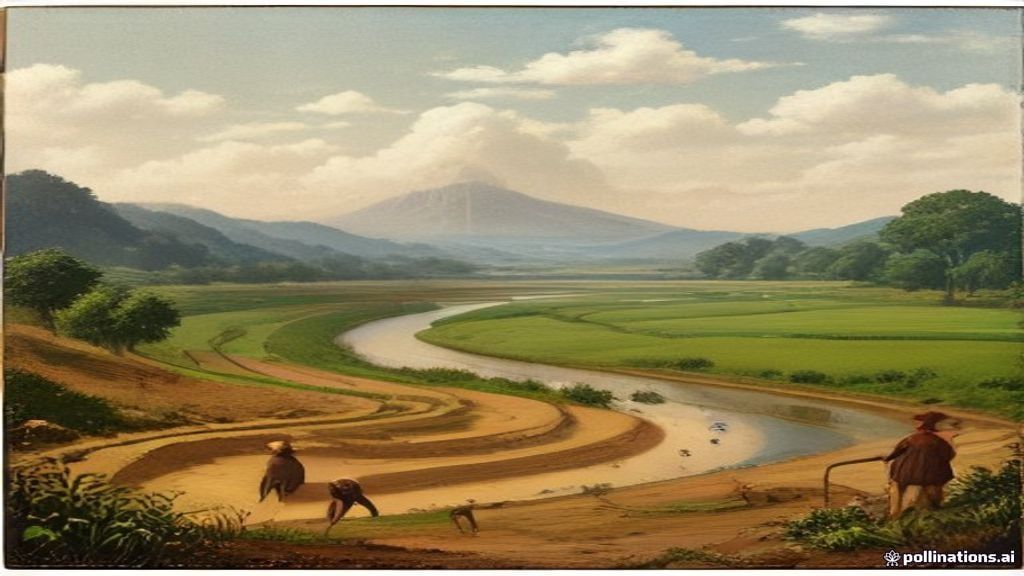
From Stone Tools to City Streets – Why It Matters
Ever wonder how our great‑grandparents went from hunting wild berries to building cities with baked bricks? The answer lies in a fascinating leap that shaped everything we have today.
💡 In Simple Words: The Neolithic Age was when people learned to grow food and settle down. Over time, these villages grew into the sophisticated Indus Valley cities, famous for their planning and trade.
What Is the Neolithic Age?
The word Neolithic means “New Stone.” It marks the period when humans stopped relying only on stone tools for hunting and started using them to farm. Think of it like switching from a hand‑crank blender to an electric one – suddenly you can do more, faster.
- Agriculture – growing crops like wheat and barley. It’s like planting a garden that feeds the whole family.
- Domestication – taming animals such as goats and cattle for milk, meat, and work. Imagine turning a wild horse into a reliable farm helper.
- Permanent settlements – building homes that stay in one place, instead of moving every few months.
These changes first appeared around 10,000 BCE in places like the Fertile Crescent, but they spread to the Indian subcontinent by about 7000 BCE.
Life in Early Neolithic Villages
Picture a small cluster of mud‑brick houses, a communal well, and fields of barley swaying in the wind. People stored surplus grain in granaries – early versions of your pantry.
Tools became finer: polished stone axes for clearing forests, sickles for cutting stalks, and simple pottery for cooking and storing food. The shift to farming meant more children could stay in one place, leading to the first schools of knowledge – mothers teaching kids how to sow seeds.
From Villages to the First Cities
When a village produces more food than it needs, it can trade the extra. Trade is like swapping your lunch sandwich for a friend's cookie – both get something they want.
Over centuries, some villages grew into towns with streets laid out in grids, public wells, and even early sewage systems. These towns were the stepping stones to the Indus Valley Civilization (IVC), which blossomed around 2600 BCE.
Key Features of the Indus Valley Civilization
The IVC was one of the world’s earliest urban cultures. Its cities – like Harappa and Mohenjo‑Daro – were marvels of planning.
- Grid layout – streets ran north‑south and east‑west, just like a chessboard.
- Standardised bricks – every brick was the same size, making construction quick and sturdy.
- Advanced drainage – covered drains ran beneath streets, preventing floods – think of modern city sewers.
- Trade networks – they exported beads, cotton, and precious stones to Mesopotamia, receiving copper and lapis lazuli in return.
People still used simple tools, but now they were made of bronze – a mix of copper and tin that’s harder than pure copper. This is why the period after the Neolithic is called the Bronze Age.
How Did the Transition Happen?
It wasn’t a sudden switch. Imagine upgrading a video game character step by step – each new skill builds on the last. Below is a quick flowchart that shows the main stages.
Neolithic vs. Indus Valley – Quick Comparison
| Aspect | Neolithic Age | Indus Valley Civilization |
|---|---|---|
| Primary activity | Agriculture & animal domestication | Urban trade, craft production, and administration |
| Housing | Simple mud‑brick huts | Planned streets, multi‑room houses, public baths |
| Tools | Polished stone, early pottery | Bronze tools, standardized pottery |
| Social structure | Small kin groups | Complex hierarchy, possible governance bodies |
| Writing | None (mostly oral) | Indus script – still undeciphered |
Why This Matters for Your Exams
Exam questions love contrasts. Knowing the differences between the Neolithic lifestyle and the sophisticated Indus cities will fetch you marks. Also, remember the key terms: agriculture, domestication, grid layout, and bronze. If you can explain each with a simple example, you’ll impress the examiner.
📝 Likely Exam Questions
- Q1. Explain how agriculture transformed Neolithic societies.
Answer: Agriculture gave people a reliable food source, allowing them to settle permanently, store surplus, grow populations, and develop crafts. - Q2. List three features that show the Indus Valley Civilization was urbanised.
Answer: Grid‑planned streets, standardized baked‑brick houses, and covered drainage systems. - Q3. Compare the tools used in the Neolithic Age with those of the Indus Valley.
Answer: Neolithic tools were mainly polished stone; Indus people used bronze (copper‑tin alloy) tools, which were stronger and could be cast into shapes. - Q4. Why is the Indus script considered a mystery?
Answer: Because, despite many inscriptions, scholars have not yet deciphered the symbols, so we cannot read the language. - Q5. Describe one way trade linked the Indus Valley with other ancient civilizations.
Answer: Indus merchants exported beads and cotton to Mesopotamia and received copper and lapis lazuli, showing long‑distance economic connections.