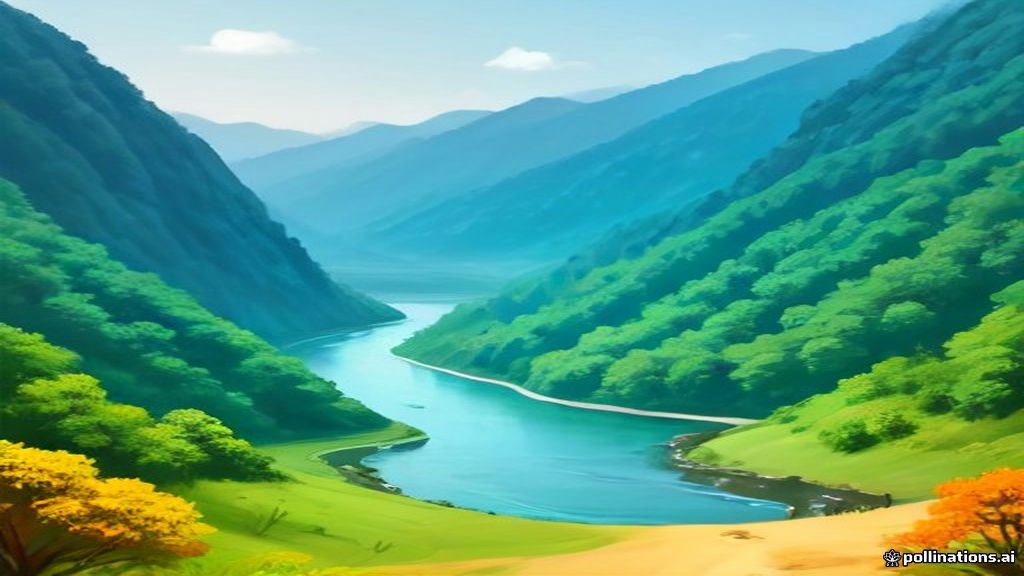
Why care about our environment?
Ever wondered why a fresh breeze feels so different from a smoggy one? That feeling tells you the environment is changing – and it matters to you.
💡 In Simple Words: The environment is everything around us – air, water, land, plants, animals and even us. All these parts work together like a giant living puzzle.
What does "environment" really mean?
In geography, the word environment refers to the sum of all natural and human‑made factors that affect life on Earth. Think of it as a giant kitchen where the chef (nature) mixes ingredients (sunlight, water, rocks) and the cooks (people) add their own spices.
Key components of the environment
Abiotic factors
Abiotic (pronounced ay‑bee‑OT-ik) factors are the non‑living parts of the environment. They include things like sunlight, temperature, wind, soil, and water. You can picture them as the stage on which the drama of life unfolds.
Biotic factors
Biotic (bye‑OT-ik) factors are the living components – plants, animals, microbes and humans. They are the actors that move, eat, grow and interact on the stage set by abiotic factors.
Quick comparison
| Aspect | Abiotic | Biotic |
|---|---|---|
| Nature | Non‑living | Living |
| Examples | Sunlight, temperature, rocks, water | Trees, fish, bacteria, humans |
| Role | Provides conditions and resources | Uses resources, alters conditions |
What is an ecosystem?
An ecosystem is a community of biotic factors interacting with their abiotic surroundings. Imagine a small pond: the water (abiotic) holds fish, algae, insects, and plants (biotic). They all depend on each other – fish need oxygen from water, plants need sunlight, and both release nutrients that keep the pond healthy.
Interdependence – the web of life
Every organism is linked to others through food, shelter, or pollination. This web is called interdependence. If one strand breaks, the whole web can wobble. For example, if bees disappear, many crops lose pollination, leading to less food for us and for the animals that eat those crops.
Factors that shape our environment
- Climate: long‑term patterns of temperature and rainfall. It decides whether a region is a desert, rainforest or temperate zone.
- Topography: the shape of the land – hills, valleys, plains. It influences river flow and where people settle.
- Soil type: the mixture of minerals, organic matter and water. Different soils support different plants.
- Human activities: farming, industry, urbanisation. These can change the natural balance, for better or worse.
Human impact – why it matters for the exam
ICSE often asks how humans modify the environment. Remember three classic examples:
- Deforestation – cutting down trees reduces oxygen, increases soil erosion, and harms wildlife.
- Pollution – releasing waste into air, water or soil harms health and disrupts ecosystems.
- Urbanisation – building cities replaces natural land, creates heat islands, and changes water runoff patterns.
When you answer a question, link the activity to a specific abiotic or biotic change. Example: "Deforestation reduces the forest canopy (abiotic) which leads to less shade, higher soil temperature, and loss of habitat for forest birds (biotic)."
Bullet‑point summary – remember these in a flash
- Environment = all natural + human‑made factors around us.
- Abiotic = non‑living (sunlight, water, soil).
- Biotic = living (plants, animals, humans).
- Ecosystem = biotic community + abiotic setting.
- Interdependence = every organism relies on others.
- Key shaping factors: climate, topography, soil, human activities.
- Major human impacts: deforestation, pollution, urbanisation.
📝 Likely Exam Questions
- Define environment in your own words.
Answer: The environment includes all the natural and human‑made elements – air, water, land, plants, animals and people – that surround and affect living things. - Differentiate between abiotic and biotic factors with two examples each.
Answer: Abiotic factors are non‑living, such as sunlight and temperature. Biotic factors are living, such as trees and insects. - Explain how deforestation can alter both abiotic and biotic components of an ecosystem.
Answer: Cutting trees removes plant cover (biotic), which reduces transpiration and shade, leading to higher soil temperature and increased erosion (abiotic). The loss of habitat also threatens animals that depend on the forest. - What is interdependence? Give one real‑world example.
Answer: Interdependence means species rely on each other for food, shelter or reproduction. Example: Bees pollinate flowering plants, and those plants provide nectar for the bees. - List three ways human activities modify the environment and state one positive and one negative effect of each.
Answer: (i) Deforestation – positive: creates land for agriculture; negative: loss of biodiversity. (ii) Pollution – positive: industrial growth; negative: health hazards. (iii) Urbanisation – positive: better infrastructure; negative: heat island effect.