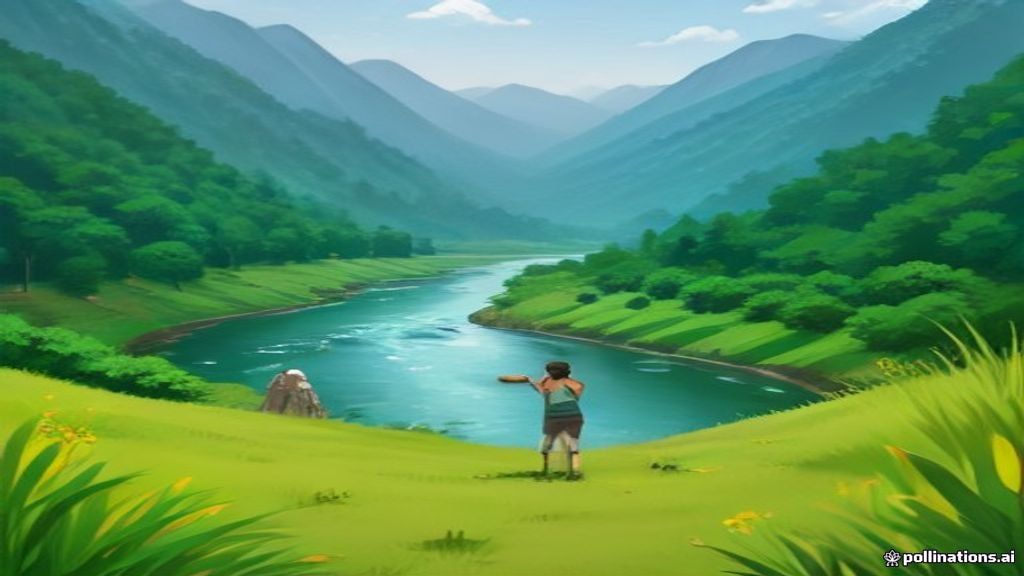
What is Environment?
Ever wondered why the air feels fresh after a rainstorm or why a park feels lively on a sunny day? That's the environment at work.
In simple words, the environment is everything around us – the air we breathe, the water we drink, the plants, animals, and even the rocks. All of these parts interact to make the world feel the way it does.
Why Understanding Our Environment Matters
Knowing how these parts fit together helps us protect them. If we understand why a river gets polluted, we can stop it. If we know how forests keep the climate cool, we can plant more trees.
Key Concepts of Our Environment
Components of Environment
The environment is made of three big pieces:
- Living (biotic) factors – plants, animals, microbes, and people.
- Non‑living (abiotic) factors – sunlight, temperature, soil, water, and air.
- Human‑made (anthropogenic) factors – roads, buildings, and anything we create.
Biotic vs Abiotic Factors
Think of a garden. The flowers, bees, and soil microbes are biotic. The sunshine, wind, and soil minerals are abiotic. Both are needed for the garden to thrive.
| Factor Type | Examples |
|---|---|
| Biotic | Trees, birds, bacteria, humans |
| Abiotic | Sunlight, temperature, water, rocks |
Ecosystem and Interdependence
An ecosystem is a community where biotic and abiotic parts live together and exchange energy and nutrients. Imagine a classroom where students (biotic) share ideas (energy) while the teacher’s voice (abiotic) guides the discussion. Everyone depends on each other.
Energy Flow and Food Chains
Energy starts with the sun, moves to producers, then jumps up through consumers, and finally ends with decomposers breaking down waste. This flow keeps the ecosystem alive.
Carrying Capacity
Carrying capacity is the maximum number of organisms an environment can support without getting damaged. Think of a backpack – you can only carry so much before it tears.
Human Impact on the Environment
Humans change the environment in three main ways:
- Pollution – dumping waste into air, water, or soil.
- Deforestation – cutting down trees faster than they can grow back.
- Urbanisation – building cities that replace natural land.
Each action alters the balance of biotic and abiotic factors, often reducing the carrying capacity.
How to Protect Our Environment
Simple steps make a big difference:
- Reduce, reuse, recycle – treat resources like a game of passing the ball.
- Plant trees – they act like Earth’s lungs.
- Save water – a leaking tap is like a tiny river wasting its flow.
Quick Summary Table
| Concept | What It Means |
|---|---|
| Environment | All surrounding living and non‑living things |
| Biotic Factor | Any living component |
| Abiotic Factor | Any non‑living component |
| Ecosystem | Community of organisms + their physical surroundings |
| Carrying Capacity | Maximum number of organisms an area can sustain |
📝 Likely Exam Questions
1. Define environment in your own words and give two examples of biotic and abiotic factors.
Answer: Environment is everything that surrounds us – living things like trees and animals (biotic) and non‑living things like sunlight and soil (abiotic).
2. Explain the flow of energy in a typical food chain.
Answer: Energy starts with sunlight, is captured by producers (plants), moves to primary consumers (herbivores), then to secondary and tertiary consumers (carnivores), and finally reaches decomposers that break down dead matter.
3. What is carrying capacity and why is it important?
Answer: Carrying capacity is the maximum number of organisms an environment can support without damage. It matters because exceeding it leads to resource depletion and ecosystem collapse.
4. List three human activities that harm the environment and suggest one way to reduce each impact.
Answer: Pollution – use cleaner fuels; Deforestation – plant more trees; Urbanisation – create green spaces in cities.
5. Why is it important to study the environment at the class 9 level?
Answer: Early understanding helps students become responsible citizens who can make choices that protect nature for future generations.