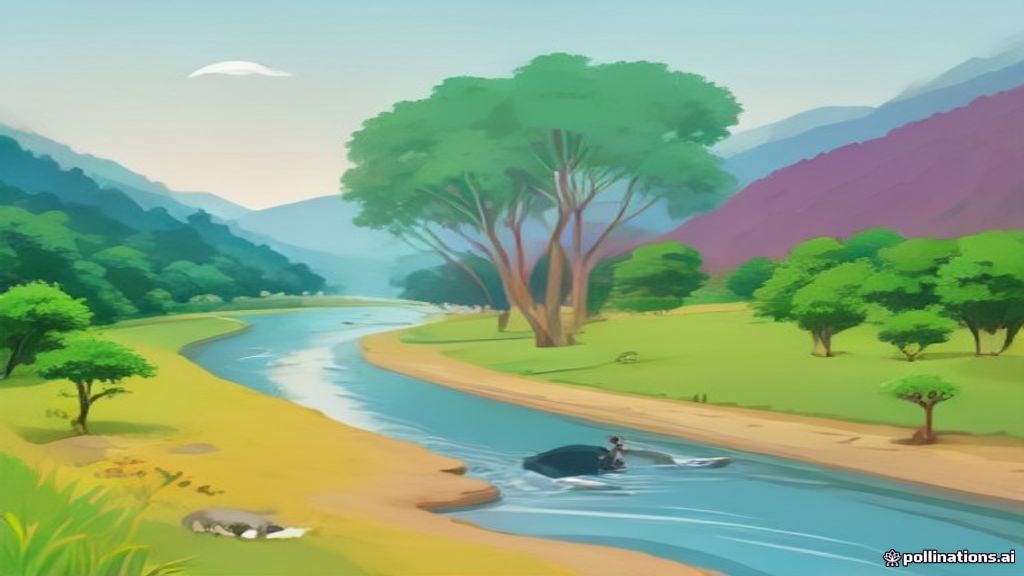
What is the Environment?
Ever wondered why a sunny day feels different from a rainy one? That's the environment showing its many moods. In geography, environment means everything that surrounds a living thing – the air, water, soil, plants, animals and even the buildings we make.
💡 In Simple Words: Think of the environment as the room you live in. It has walls (land), a ceiling (sky), furniture (plants, animals) and a thermostat (weather). All of these parts work together to keep the room comfortable.
Key Components of the Environment
The environment can be split into two big families: biotic and abiotic factors. Understanding the difference helps you see how life and non‑life interact.
Biotic (living) factors
Biotic factors are the living parts – plants, animals, humans, microbes and anything that grows, moves or reproduces. Imagine a classroom: the students, teacher and even the goldfish in the tank are the biotic members of that class.
Abiotic (non‑living) factors
Abiotic factors are the non‑living pieces such as sunlight, temperature, wind, water, rocks and soil. In our classroom analogy, the desks, lights, air‑conditioner and the building itself are abiotic.
| Aspect | Biotic | Abiotic |
|---|---|---|
| Examples | Plants, animals, humans, bacteria | Sunlight, temperature, water, rocks |
| Role | Produce food, recycle nutrients, create habitats | Provide energy, shape landforms, influence climate |
| Changes over time | Grow, reproduce, die | Vary with seasons, weather patterns, geological activity |
How Humans Interact with Their Environment
Human activities can be thought of as a guest in the room who sometimes helps tidy up and sometimes makes a mess.
- Positive interaction: Planting trees, conserving water, using renewable energy – these actions keep the room comfortable.
- Negative interaction: Cutting down forests, dumping waste, burning fossil fuels – these actions clutter the room and damage the furniture.
One classic example is the greenhouse effect. Greenhouse gases (like carbon dioxide) act like a blanket that traps heat. A thin blanket keeps you warm, but too many blankets can make you overheat.
Why Protecting the Environment Matters
When the room gets messy, it affects everyone inside. Pollution can make the air hard to breathe, contaminated water can cause disease, and loss of wildlife can upset food chains – the chain of who eats whom.
Protecting the environment means keeping the room tidy so that future generations can study, play and live comfortably.
Quick Summary
- The environment is everything around us – both living and non‑living.
- Biotic = living things; abiotic = non‑living elements.
- Human actions can improve or harm the environment.
- Preserving the environment safeguards health, resources and biodiversity.
📝 Likely Exam Questions
- Define ‘environment’ in your own words.
Answer: The environment is the sum of all living (biotic) and non‑living (abiotic) factors that surround and influence an organism or a community. - List three biotic and three abiotic factors with examples.
Answer: Biotic – trees, cattle, bacteria. Abiotic – sunlight, temperature, soil. - Explain how deforestation affects both biotic and abiotic components.
Answer: Removing trees (biotic) reduces habitat for animals and cuts down oxygen production. It also changes soil composition (abiotic), increases runoff, and alters local temperature. - Why is the greenhouse effect called a ‘blanket’ analogy? Provide a short explanation.
Answer: Greenhouse gases trap heat like a blanket keeps us warm. A thin blanket is helpful; too many blankets cause overheating, just as excess gases raise Earth’s temperature. - Suggest two ways students can help protect their local environment.
Answer: (i) Plant a school garden to increase green cover. (ii) Reduce plastic use by carrying reusable bottles and bags.