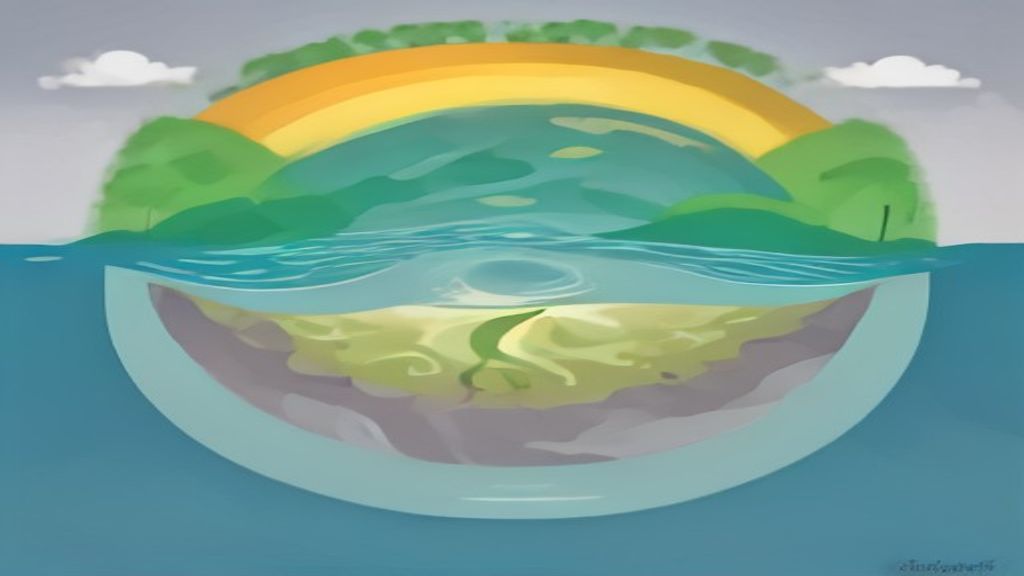
Ever wondered why the air feels fresh after a rainstorm? That fresh feeling is the environment doing its quiet work for us.
The environment is everything around us – air, water, land, plants, animals, and even the tiny microbes. It’s the stage where all life plays out, and we’re both actors and audience.
What Is the Environment?
In plain words, the environment means the sum of all external conditions that affect living things. Think of it like a giant, invisible blanket that covers the Earth, holding together the air we breathe, the water we drink, and the ground we walk on.
Key terms
- Abiotic – non‑living parts of the environment, such as sunlight, temperature, rocks, and water.
- Biotic – living parts, like plants, animals, fungi, and the microscopic organisms that help decompose waste.
Main Components of the Environment
Just as a pizza has crust, sauce, cheese, and toppings, the environment has several layers that work together.
1. Atmosphere (the air layer)
The atmosphere is the thin blanket of gases surrounding Earth. It protects us from harmful solar rays and provides the oxygen we need.
2. Hydrosphere (all water)
This includes oceans, rivers, lakes, groundwater, and even the water vapor in the air. Water moves in a constant cycle, connecting all parts of the planet.
3. Lithosphere (the solid Earth)
The lithosphere is the outer shell of rocks and soil. It gives us land for farming, houses, and habitats for many creatures.
4. Biosphere (all living things)
The biosphere is the zone where life exists, from towering trees to tiny bacteria.
Why the Environment Matters
Imagine trying to bake a cake without checking if the oven is on, the ingredients are fresh, or the timer works. The environment is like the oven, ingredients, and timer all rolled into one. If any part fails, the whole system suffers.
- Supports life – Provides food, water, and shelter.
- Regulates climate – Controls temperature and weather patterns.
- Recycles nutrients – Breaks down dead material and returns nutrients to the soil.
How Humans Interact with the Environment
We’re not just passive observers; we constantly shape and are shaped by the environment. For example, planting trees (a positive action) can improve air quality, while burning fossil fuels (a negative action) adds harmful gases to the atmosphere.
Positive interactions
- Afforestation – planting trees to restore forests.
- Rainwater harvesting – collecting rain to reduce groundwater strain.
Negative interactions
- Deforestation – cutting down trees faster than they can grow back.
- Industrial waste – dumping chemicals into rivers, harming aquatic life.
Quick Comparison: Abiotic vs. Biotic
| Aspect | Abiotic | Biotic |
|---|---|---|
| Definition | Non‑living components | Living components |
| Examples | Sunlight, temperature, rocks, water | Plants, animals, microbes, humans |
| Role | Provide physical conditions | Drive ecological processes like pollination |
How to Remember the Layers
Picture a layered sandwich: the bottom slice of bread is the lithosphere, the filling is the biosphere, the sauce is the hydrosphere, and the top slice of bread is the atmosphere. Each layer stays together to make a tasty whole, just like Earth’s layers.
📝 Likely Exam Questions
- Define ‘environment’ in your own words.
Answer: The environment is the total of all external factors – air, water, land, plants, animals, and microorganisms – that affect living beings. - List and briefly describe the four main components of the environment.
Answer: Atmosphere (gases surrounding Earth), Hydrosphere (all water bodies), Lithosphere (solid Earth – rocks and soil), Biosphere (all living organisms). - Explain the difference between abiotic and biotic factors with two examples each.
Answer: Abiotic factors are non‑living, e.g., sunlight and temperature. Biotic factors are living, e.g., trees and bacteria. - Why is the environment important for human survival? Give two reasons.
Answer: It supplies food and water, and it regulates climate to keep temperatures suitable for life. - Give one positive and one negative way humans interact with the environment.
Answer: Positive – planting trees (afforestation). Negative – burning fossil fuels, which adds greenhouse gases.