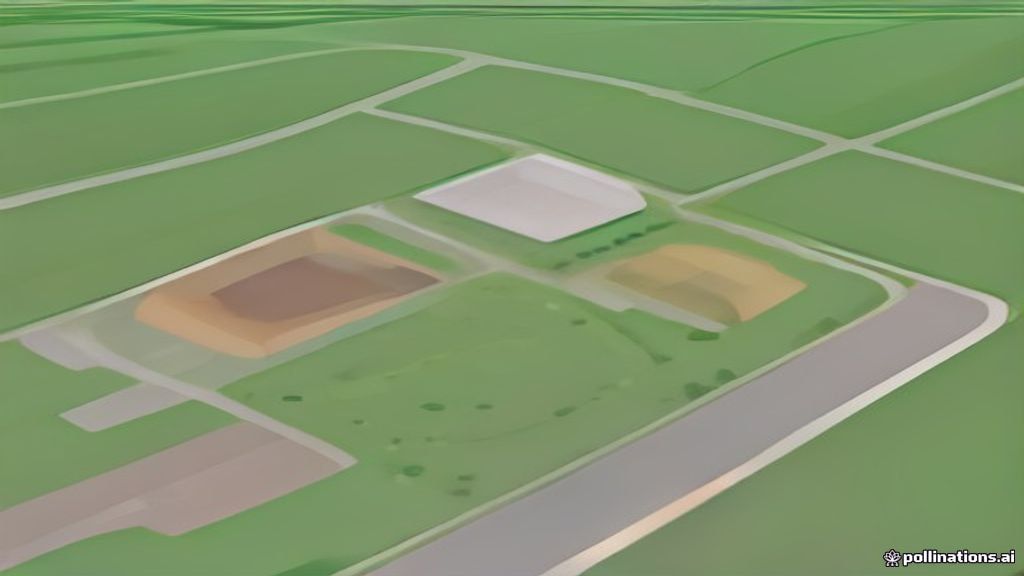
Ever wonder why your kitchen scraps end up in a huge mound at the dump? The answer lies in solid waste management – the system that decides where every piece of trash goes.
In Simple Words: Solid waste management is the way we collect, sort, treat and finally get rid of garbage so it doesn’t harm people or the planet. Think of it as a well‑organized school locker where each subject has its own shelf.
What is solid waste?
Solid waste means any unwanted material that is solid in nature – things like paper, food leftovers, plastic bottles, glass, metal scraps, and even garden cuttings. It’s called “solid” to contrast with liquid waste (like sewage) and gaseous waste (like smoke).
Key steps in solid waste management
The whole process works like a relay race, each step passing the waste to the next team member.
1. Waste generation
Every household, school or market produces waste. Knowing how much you create helps plan the rest of the steps.
2. Segregation at source
Segregation means separating waste into different bins right where it is produced. The most common categories are:
- Biodegradable – material that can break down naturally, like kitchen waste, garden leaves.
- Non‑biodegradable – material that does not decompose easily, like plastic, glass, metal.
- Hazardous – waste that can be harmful, such as batteries or chemicals (often handled separately).
3. Collection & transport
Municipal bodies or private contractors pick up the segregated waste using trucks. The trucks act like delivery vans, moving trash from your door to the treatment centre.
4. Treatment
Depending on the type, waste undergoes one of several treatments:
- Composting – turning biodegradable waste into nutrient‑rich soil, much like making a garden compost heap.
- Recycling – processing non‑biodegradable items (paper, plastic, metal) to make new products.
- Incineration – burning waste at high temperature to reduce its volume and sometimes generate energy.
5. Final disposal
If waste cannot be reused or broken down, it goes to a landfill – a carefully engineered pit where layers of waste are covered with soil. Modern landfills have leachate collection (to stop polluted water from seeping out) and gas‑capture systems.
Types of waste you’ll meet in exams
Remember these two big families:
- Biodegradable waste – kitchen scraps, garden waste, paper (if not coated).
- Non‑biodegradable waste – plastics, glass, metals, e‑waste.
Why does the difference matter? Biodegradable waste can be turned into compost, while non‑biodegradable waste needs recycling or safe disposal.
Common disposal methods compared
| Method | What it does | Pros | Cons |
|---|---|---|---|
| Landfill | Buries waste in layers | Simple, handles large volume | Space‑intensive, possible groundwater contamination |
| Composting | Decomposes organic waste into humus | Produces useful fertilizer, reduces landfill load | Only works for biodegradable waste, needs space and time |
| Recycling | Converts waste into new raw material | Saves resources, reduces pollution | Needs proper segregation, can be costly |
| Incineration | Burns waste to reduce volume, may generate energy | Reduces waste quickly, can produce electricity | Emits gases, high capital cost, not suitable for all waste |
Practical tips for waste segregation at home (ICSE exam favourite)
- Keep three colour‑coded bins: green for biodegradable, blue for recyclable, red for hazardous.
- Rinse plastic bottles and metal cans before putting them in the recycling bin.
- Make a small kitchen compost pit for vegetable peels – after a few weeks you’ll have dark, earthy compost.
- Never mix wet kitchen waste with dry recyclable items; it makes recycling harder.
Why solid waste management matters for the environment
When waste is left unchecked, it can pollute air, water and soil. For example, plastic that ends up in rivers can harm fish, while untreated landfill leachate can seep into groundwater. Proper management cuts down these risks and also saves resources by recycling materials.
📝 Likely Exam Questions
- Explain the five stages of solid waste management.
Answer: Generation → Segregation at source → Collection & transport → Treatment (composting, recycling, incineration) → Final disposal (landfill or safe dump). - Differentiate between biodegradable and non‑biodegradable waste with two examples each.
Answer: Biodegradable waste breaks down naturally (e.g., vegetable peels, garden leaves). Non‑biodegradable waste does not decompose easily (e.g., plastic bottles, glass jars). - List two advantages and two disadvantages of landfilling.
Answer: Advantages – simple to operate, can handle large quantities. Disadvantages – occupies land, risk of leachate contaminating groundwater. - Why is waste segregation important before collection?
Answer: It ensures recyclable and compostable materials are not mixed with waste that needs disposal, making recycling and composting more efficient and reducing the load on landfills. - Describe how composting helps in solid waste management.
Answer: Composting turns organic waste into nutrient‑rich humus, which can be used as fertilizer, thereby reducing the amount of waste sent to landfills and returning valuable nutrients to the soil.