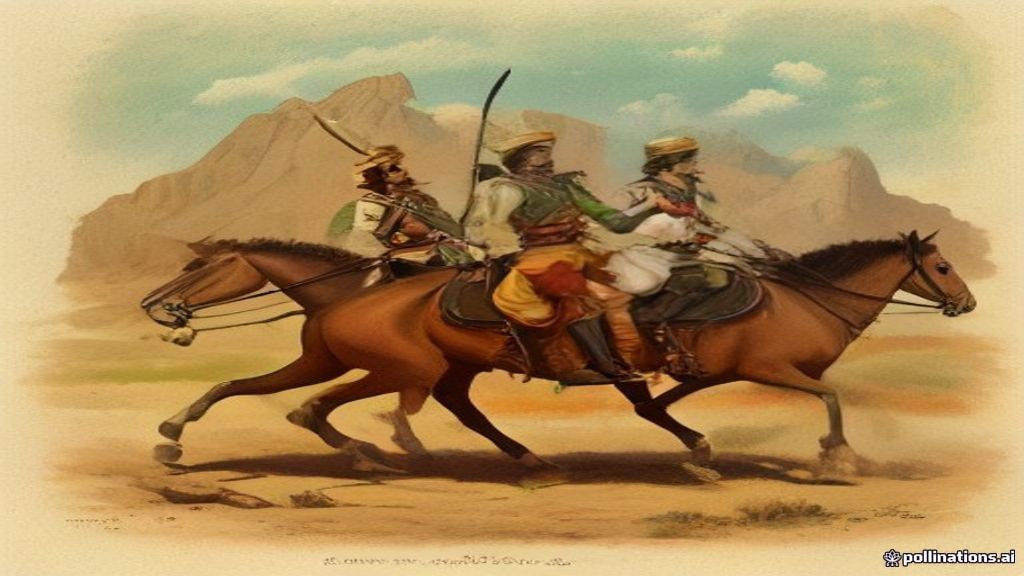
Why 1857 Still Matters
Ever wonder why a rebellion that happened over 160 years ago still pops up in history papers? The 1857 revolt was the first big crack in British rule, and its echoes shaped the later freedom struggle.
💡 In Simple Words: In 1857 Indian soldiers and civilians rose up against the British because they felt disrespected, exploited, and threatened. Though it was crushed, the uprising lit the spark for later independence movements.
What Sparked the 1857 Revolt?
Think of a pressure cooker. Add heat, close the lid, and soon the steam has to escape. India in the mid‑1800s was that cooker. Several grievances built up until they burst out as a mutiny.
Military Grievances
A sepoy (that’s an Indian soldier serving in the British East India Company’s army) faced constant discrimination. Their pay was lower than British troops, and promotions were rare. The infamous Enfield rifle cartridge controversy—where the cartridge was rumored to be greased with animal fat—hit a nerve. Imagine being asked to bite a piece of gum that might be made from pork or beef when you’re a devout Hindu or Muslim. It felt like an attack on faith.
Religious and Cultural Fears
British policies often ignored Indian customs. The Doctrine of Lapse (a rule that let the British annex any princely state without a natural heir) threatened the very idea of hereditary rule. It was like a landlord deciding who could inherit a family home, without asking the family.
Political and Economic Pressures
Heavy taxes and the destruction of traditional crafts left many peasants and artisans in poverty. British railways and telegraphs sliced through the country, but the benefits went mainly to the colonizers. It was as if a new highway was built, but only the outsiders got to use the toll booths.
Key Events of the Revolt
- May 10, 1857 – Meerut Mutiny: Sepoys refused the greased cartridges, were court‑martialled, and then rebelled. They marched to Delhi, sparking a wider uprising.
- May 11, 1857 – Capture of Delhi: Rebels declared the 1857‑born Mughal emperor Bahadur Shah II as their symbolic leader. It was like a school choosing a senior class president to unite everyone.
- June–July 1857 – Spread to Lucknow, Kanpur, and Jhansi: Local leaders like Rani Lakshmibai of Jhansi (a queen who fought bravely) joined the cause.
- September 1857 – Siege of Lucknow: British forces were trapped for months before relief arrived.
- July 1858 – End of Major Hostilities: The British recaptured Delhi and suppressed most rebel strongholds.
Who Were the Main Players?
Besides the sepoys, several civilians took the stage.
- Bahadur Shah II: The last Mughal emperor, used as a figurehead. Think of him as the mascot the rebels rallied around.
- Rani Lakshmibai: The warrior queen of Jhansi, famous for leading troops on horseback.
- Mangal Pandey: A sepoy who attacked British officers in 1857, becoming an early martyr.
Impact in a Snapshot
| Aspect | Immediate Effect | Long‑Term Significance |
|---|---|---|
| Political | British Crown took over from the East India Company. | Set the stage for organized nationalist movements. |
| Social | Increased suspicion between British and Indians. | Fostered a sense of shared Indian identity against foreign rule. |
| Military | Reorganization of the army; more British troops. | Lesson that native soldiers could be a powerful political force. |
How the Revolt Unfolded – A Simple Flow
Why the 1857 Revolt Was a Turning Point
Even though the uprising failed militarily, it changed the British approach. They realized they needed to rule more carefully, and Indians realized that united action could challenge the empire. It’s like a first failed experiment that still teaches you what not to do next time.
📝 Likely Exam Questions
- Explain two major causes of the 1857 revolt.
Answer: Military grievances like low pay and the greased cartridge controversy; and religious fears such as the Doctrine of Lapse threatening traditional rulership. - Who was Rani Lakshmibai and why is she important?
Answer: She was the queen of Jhansi who led troops against the British, symbolizing women’s active role in the freedom struggle. - What was the immediate political outcome of the revolt?
Answer: The British Crown dissolved the East India Company and assumed direct control over India. - How did the 1857 revolt influence later independence movements?
Answer: It created a sense of Indian unity, showed the power of mass resistance, and inspired future leaders to organize more systematically. - Describe the British response to the rebellion in one paragraph.
Answer: The British quickly mobilized troops, used superior firepower, and employed a policy of harsh reprisals, recapturing key cities like Delhi and Lucknow. They also reorganized the army to prevent future mutinies.