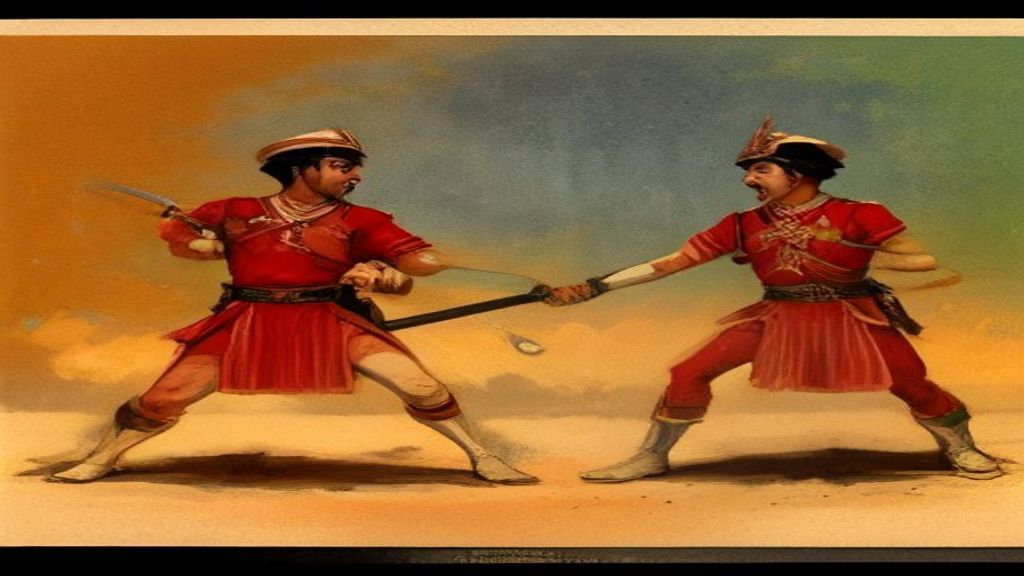
Imagine a whole army refusing to fire because the rifle cartridges tasted like their religion was under attack.
💡 In Simple Words: The 1857 uprising was the first big, all‑India attempt to throw out British rule. Soldiers, peasants and princes joined together, sparked by many grievances, and it set the stage for later freedom fights.
What sparked the 1857 Revolt?
The rebellion didn’t happen overnight. It was a mix of political, economic, military and religious worries that finally boiled over.
Political and Economic Grievances
- Annexation of Indian states – The British took over territories like Jhansi and Awadh without asking the local rulers. Think of it like a neighbor suddenly moving into your house and changing the furniture.
- Doctrine of Lapse – This was a rule that let the British claim any kingdom whose ruler died without a natural heir. It felt like a game where the referee could just erase a team whenever he wanted.
- Heavy taxes – Peasants had to give more of their harvest to the British, leaving them hungry and angry.
Military Discontent
Indian soldiers in the British army were called sepoys. They faced three main problems:
- Low pay compared to British soldiers – like being paid half for doing the same job.
- Unfair promotions – British officers jumped ahead, leaving sepoys feeling stuck.
- Greased cartridge issue – The new rifle cartridges were rumored to be greased with animal fat from cows (sacred to Hindus) and pigs (taboo for Muslims). Imagine being asked to eat a food you consider dirty just to stay in the game.
Religious and Social Triggers
British reforms tried to change traditional customs. For example, the abolition of Sati (the practice where a widow immolated herself on her husband’s pyre) was praised by reformers but angered some conservatives who saw it as meddling.
Key Events and Leaders of the First War
What followed was a series of flashpoints across North India.
| Date | Place | What Happened | Important Figure |
|---|---|---|---|
| May 1857 | Meerut | Sepoys mutinied, killed British officers, and marched to Delhi. | Mangal Pandey (symbolic spark) |
| June 1857 | Delhi | Bahadur Shah II, the last Mughal emperor, was declared the leader of the rebellion. | Bahadur Shah II |
| July 1857 | Kanpur | Rani Lakshmibai of Jhansi’s forces defended the city; after a siege, they were defeated. | Rani Lakshmibai |
| August 1857 | Lucknow | British residents held out in the Residency while rebels controlled most of the city. | Begum Hazrat Mahal (supporter) |
| November 1857 | Delhi | British forces recaptured Delhi, ending the symbolic heart of the revolt. | General Sir Colin Campbell |
How the British Responded
The British used a two‑pronged approach: brutal force and political re‑organisation.
- Military crackdown – They executed rebels, destroyed villages and used artillery to crush resistance, similar to a homeowner calling the police and setting up a fence after a break‑in.
- End of Company rule – The East India Company, a private trading firm that had ruled India, was dissolved. The British Crown took direct control, marking the start of the “Raj” (rule).
- Policy changes – They promised to respect princes’ titles (except where annexation was already done) and promised to include Indians in lower administrative posts to calm the unrest.
Impact and Legacy
Even though the 1857 revolt was crushed, it left a lasting imprint on the freedom struggle.
- National consciousness – For the first time, people from different regions, religions and classes fought together, showing that India could imagine a united front.
- Inspiration for later leaders – Figures like Bal Gangadhar Tilak and Mahatma Gandhi later referenced 1857 as a symbol of resistance.
- British reforms – The Crown introduced the Indian Civil Service and promised more Indian participation, albeit limited.
Quick Comparison: Causes vs. Outcomes
| Cause | Outcome after 1857 |
|---|---|
| Political annexations | British shifted to Crown rule, promised to respect princely states. |
| Economic exploitation | Minor tax adjustments, but most exploitation continued. |
| Military grievances | Reforms in recruitment, pay and promotion for Indian soldiers. |
| Religious interference | More cautious approach to social reforms. |
📝 Likely Exam Questions
- Explain two major causes of the 1857 revolt. Model answer: Political annexations like the Doctrine of Lapse and the greased‑cartridge issue created deep resentment among princes and sepoys, respectively.
- Who were three prominent leaders of the First War of Indian Independence and what roles did they play? Model answer: Mangal Pandey sparked the mutiny at Barrackpore, Rani Lakshmibai led the defence of Jhansi, and Bahadur Shah II was proclaimed the symbolic emperor of the rebellion.
- How did the British administration change after the revolt? Model answer: The East India Company was abolished; India came under direct Crown rule, and some administrative reforms were introduced to placate Indian elites.
- Why is the 1857 uprising considered a turning point in Indian history? Model answer: It was the first pan‑Indian challenge to British authority, fostering a sense of national unity that later movements built upon.