Ever wondered why the monsoon feels like nature's own water delivery service?
💡 In Simple Words: India's water resources are all the water we can use – from rivers and lakes to underground water. They are spread unevenly, so knowing where they are helps us plan farming, drinking, and power.
What Counts as Water Resources?
In geography, a water resource means any source of water that people can use – like a river you can drink from or a lake you can fish in. It also includes water hidden underground, called groundwater.
Major Types of Water Resources in India
- Surface water: water flowing on the land – rivers, lakes, ponds, and reservoirs.
- Groundwater: water stored in the cracks and pores of soil and rock beneath the surface.
- Rainwater: the direct precipitation that falls during the monsoon.
Surface Water: Rivers and Lakes
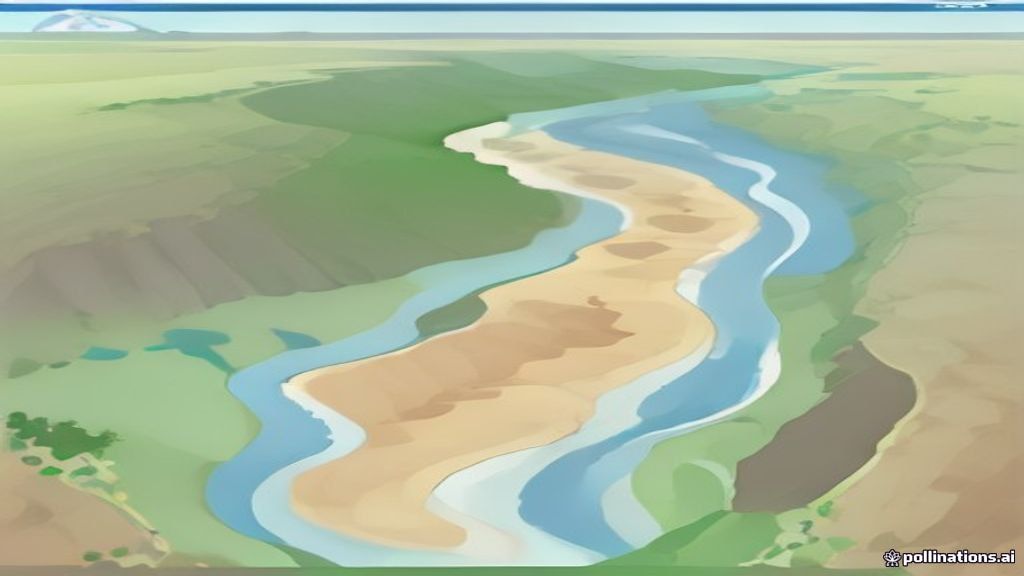
India has about 1.9 million kilometres of rivers. The biggest ones – the Ganga, Brahmaputra, Indus, and Godavari – act like the country's veins, carrying water across long distances.
Think of a river system like a network of highways: tributaries are the side roads that join the main highway, delivering water from far‑away places.
Key River Basins
| River Basin | Area Covered (million km²) | Key States |
|---|---|---|
| Ganga | 0.7 | Uttar Pradesh, Bihar, West Bengal |
| Indus | 0.5 | Jammu & Kashmir, Punjab, Haryana |
| Godavari | 0.3 | Maharashtra, Telangana, Andhra Pradesh |
Groundwater: The Hidden Treasure
Groundwater makes up about 80% of India's total usable water. It lives in layers called aquifers – think of them as giant underground sponge cakes that soak up rain.
In states like Punjab and Haryana, farmers pump groundwater for irrigation, sometimes faster than nature can refill it, leading to a drop in water tables.
How Water Moves: Simple Cycle
Water Use Patterns in India
- Agriculture: uses about 85% of the total water – mainly for irrigation.
- Domestic: drinking, cooking, cleaning – roughly 10%.
- Industrial: about 5%, includes factories and power plants.
Challenges Facing India's Water Resources
Even though India gets a lot of rain, the water isn’t spread evenly. The north gets heavy monsoons, while the south can stay dry for months. Over‑extraction, pollution, and climate change make the problem worse.
Quick Summary
- Surface water: rivers, lakes, reservoirs – 20% of usable water.
- Groundwater: underground aquifers – 80% of usable water.
- Agriculture dominates water use.
- Unequal distribution and over‑use are the biggest threats.
📝 Likely Exam Questions
- Explain the two main categories of water resources in India with examples.
Answer: Surface water (rivers like the Ganga, lakes, reservoirs) and groundwater (aquifers such as the Indo‑Gangetic plains aquifer). - Why does groundwater depletion occur most sharply in Punjab?
Answer: Intensive irrigation pumps out water faster than recharge, combined with limited rainfall. - List three major challenges to sustainable water management in India.
Answer: Uneven spatial distribution, over‑extraction for agriculture, pollution of rivers and aquifers. - How does the water cycle help replenish surface and ground water?
Answer: Rainfall adds water to rivers and infiltrates soil, recharging aquifers; evaporation and transpiration return water to the atmosphere.