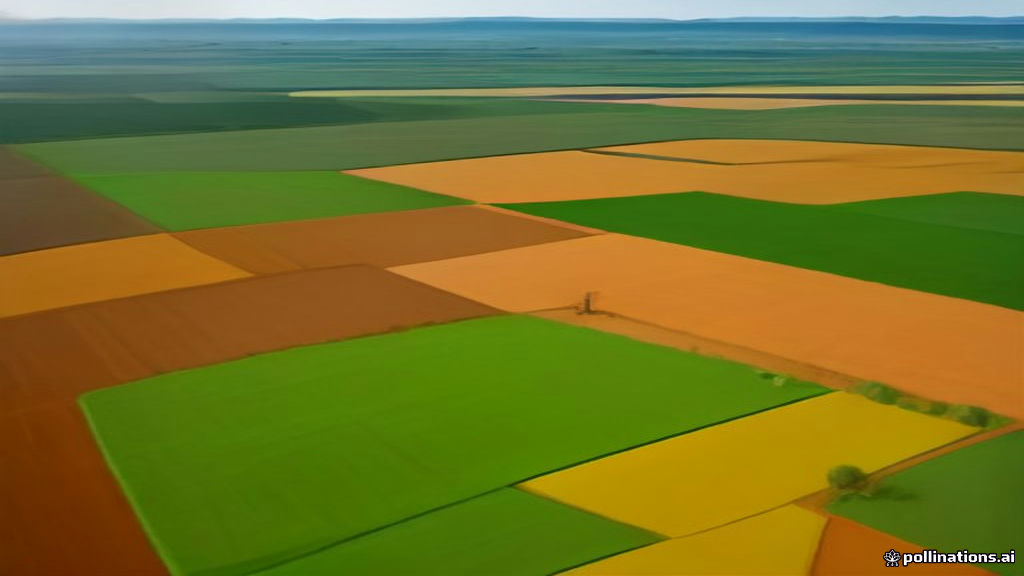
Why does the soil under your feet change from one state to another?
Ever wondered why crops grow tall in the Gangetic plains but struggle on the Deccan plateau? The answer lies in the type of soil and how we look after it.
In simple words: India has many kinds of soil, each with its own strengths. When we protect that soil from washing away or losing nutrients, farms stay productive and the environment stays healthy.
Soil Types in India – the basics
India’s soils are like a colorful quilt, stitched together by climate, rocks, and time. Below are the five major types you’ll meet in exams and the field.
Alluvial Soil
Alluvial (pronounced al‑lo‑vi‑al) means “deposited by water”. It’s the fine, fertile material the rivers drop in the Indo‑Gangetic plains and the Brahmaputra basin. Think of it as the “cake batter” that makes a good cake rise – it’s rich in nutrients and holds water well.
- Location: Northern plains, parts of the Ganges, Brahmaputra, and Indus basins.
- Texture: Silty‑clayey, smooth.
- Uses: Ideal for wheat, rice, sugarcane, and many cash crops.
Black Soil
Also called Regur soil, it’s dark like chocolate because it’s packed with lime and iron. It forms on basalt rock that cooled slowly, mostly in the Deccan plateau. Imagine a sponge that soaks up water and releases it slowly – perfect for crops that need steady moisture.
- Location: Maharashtra, Madhya Pradesh, Gujarat, parts of Karnataka.
- Texture: Clayey, cracks in dry season.
- Uses: Cotton, soybean, groundnut, and millets.
Red Soil
Red soil gets its colour from iron oxide – it’s like rusted iron filings mixed with sand. It’s less fertile but works well for trees and millets. Think of it as the “sandwich bread” that needs extra fillings (fertilizers) to be tasty.
- Location: Parts of Tamil Nadu, Andhra Pradesh, Orissa, and the eastern plateau.
- Texture: Sandy‑loam, well‑drained.
- Uses: Groundnut, millets, pulses, and horticulture.
Laterite Soil
Laterite is the “red brick” soil that forms in hot, wet areas where intense rainfall leaches away silica, leaving iron and aluminium oxides. It’s hard when dry, soft when wet – like a kitchen sponge that stiffens after you squeeze it.
- Location: Western Ghats, parts of Kerala, Karnataka, and the northeastern hills.
- Texture: Gravelly, low in organic matter.
- Uses: Plantation crops like tea, coffee, rubber; also used for bricks.
Arid (Desert) Soil
Found in the Thar Desert, this soil is sandy, low in nutrients, and holds very little water – think of it as dry sand at the beach that never stays damp.
- Location: Rajasthan, parts of Gujarat and Haryana.
- Texture: Coarse sand, high pH.
- Uses: Drought‑tolerant millets, camel fodder, and salt‑tolerant plants.
Quick Comparison
| Soil Type | Colour | Key Minerals | Best Crops |
|---|---|---|---|
| Alluvial | Light brown to grey | Potash, nitrogen, phosphorous | Rice, wheat, sugarcane |
| Black (Regur) | Dark brown/black | Lime, iron, magnesium | Cotton, soybean, millets |
| Red | Reddish‑brown | Iron oxide | Groundnut, millets, pulses |
| Laterite | Bright red | Iron, aluminium oxides | Tea, coffee, rubber |
| Arid | Yellow‑white sand | Low organic matter | Drought‑tolerant millets |
Why Soil Conservation Matters
Erosion (the process of soil being worn away by wind or water) is the biggest threat. Imagine a river carving a canyon; if it takes the topsoil, crops lose the nutrients they need. Loss of fertility means lower yields and more pressure on farmers.
Besides erosion, over‑use of chemicals, deforestation, and improper irrigation also degrade soil. When soil health drops, water runoff increases, which then floods fields – a vicious circle.
Major Soil Conservation Methods in India
Here are the most common ways schools and farmers fight soil loss. Each method is simple enough to picture in a backyard.
- Contour Plowing: Plowing along the natural slope lines instead of straight up‑and‑down. It’s like walking around a hill rather than climbing straight, which slows water runoff.
- Terracing: Cutting flat steps into steep hills. Think of a giant wedding cake; each layer catches water and lets it soak in.
- Cover Crops: Planting fast‑growing grasses or legumes between main crops. They act like a blanket that protects the soil from rain impact.
- Mulching: Spreading straw, leaves, or plastic over soil. It’s the same idea as putting a mat under a hot pan to keep the countertop safe.
- Check Dams: Small earthen or stone barriers across gullies. They trap sediment like a fish‑net catches fish.
- Organic Manure: Adding compost or farmyard manure to improve structure and nutrients. It’s nature’s fertilizer, just like adding fruit peels to a compost bin.
Step‑by‑Step Soil Conservation Process
Follow these steps and you’ll see the land stay productive for many seasons.
Quick Revision Summary
- India has five main soil types: Alluvial, Black, Red, Laterite, Arid.
- Alluvial soils are the most fertile; Black soils hold moisture well.
- Erosion removes the top layer of soil, reducing fertility.
- Key conservation tools: contour plowing, terracing, cover crops, mulching, check dams, organic manure.
- Conservation follows a simple loop: Identify → Choose → Prepare → Implement → Monitor → Maintain.
📝 Likely Exam Questions
- Explain why alluvial soil is considered the most productive in India.
Answer: Alluvial soil is deposited by rivers, making it fine‑textured, rich in nutrients like nitrogen, phosphorus, and potash, and it retains water well. These properties support high‑yielding crops such as rice, wheat, and sugarcane. - List three major soil conservation methods practiced in India and give a short example of each.
Answer: (i) Contour plowing – plowing along hill contours in the Western Ghats to reduce runoff; (ii) Terracing – building stepped fields on the slopes of the Nilgiris for tea cultivation; (iii) Cover crops – sowing gram between rice crops in Punjab to protect soil from rain impact. - What is soil erosion and why is it a problem for Indian agriculture?
Answer: Soil erosion is the removal of the topsoil by wind or water. It reduces soil fertility, lowers water‑holding capacity, and can lead to loss of crop yields, especially in rain‑fed regions. - Compare the characteristics of black soil and red soil.
Answer: Black soil (Regur) is dark, clayey, high in lime and iron, retains moisture, and is suitable for cotton. Red soil is reddish due to iron oxide, sandy‑loam, low in organic matter, drains quickly, and is best for millets and pulses. - Describe the role of check dams in soil conservation.
Answer: Check dams are small barriers built across gullies to slow water flow, trap sediments, and increase groundwater recharge. They prevent rapid runoff and reduce downstream erosion.