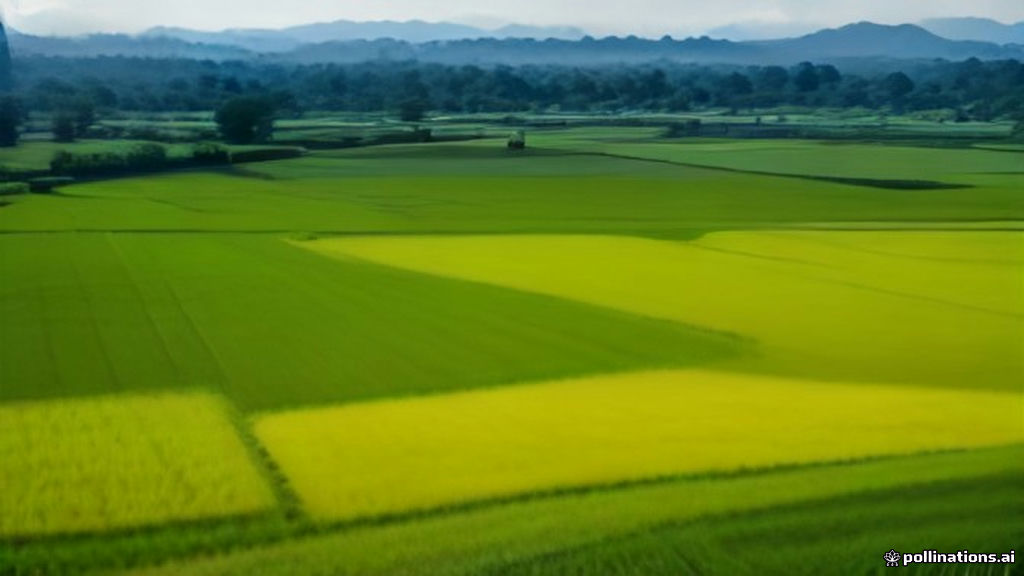
Why India's Farming Matters
Imagine a giant kitchen where the whole country gets its meals – that kitchen is Indian agriculture. It feeds over a billion people and powers the economy.
💡 In Simple Words: India grows many different crops because its land, weather, and people are all varied. From rice in the wet east to wheat in the dry north, each region has its own favorite foods and cash crops.
Major Crops Grown Across India
India’s farms can be split into two big families: food crops that put food on our plates, and commercial crops that are sold for money.
Food Crops
- Rice – the staple grain of the eastern and southern states where monsoon rains are heavy.
- Wheat – grown mainly in the north‑west where winters are cool and dry.
- Maize (corn) – a versatile grain used for food, fodder, and industry, found in many states.
- Millets – hardy grains like pearl millet and finger millet, perfect for rain‑fed (no irrigation) areas.
- Pulses – beans and lentils such as chickpea, pigeon pea, and mung bean that add protein to diets.
Commercial Crops
- Cotton – India is the world’s second‑largest producer; it thrives in the hot, dry zones of Gujarat, Maharashtra, and Punjab.
- Sugarcane – a sweet, water‑loving plant cultivated in Uttar Pradesh, Maharashtra, and Karnataka.
- Tea – grown on misty hills of Assam, West Bengal, and the Nilgiris.
- Coffee – prefers shade and moderate rain, found in Karnataka, Kerala, and Tamil Nadu.
- Jute – a fiber crop that loves the humid climate of West Bengal and Assam.
- Rubber – a tropical tree cultivated mainly in Kerala and the northeast.
- Spices – pepper, cardamom, and ginger flourish in the Western Ghats and northeastern hills.
Factors That Decide What Grows Where
Think of a crop like a pair of shoes – you pick the right pair for the terrain. Farmers choose crops based on four main factors:
- Climate – temperature and rainfall patterns. Warm, wet places favor rice; cool, dry winters favor wheat.
- Soil type – sandy, loamy, or clayey soils hold water differently. Loamy soil is great for most crops, while laterite suits tea.
- Irrigation – availability of water from rivers, canals, or wells. Sugarcane needs lots of water, so it’s grown where irrigation is reliable.
- Market demand – if a crop fetches a good price, farmers are more likely to plant it.
Regional Crop Patterns in India
India is divided into agro‑ecological zones, each with its own crop “menu.” Below is a quick snapshot:
| Region | Major Food Crops | Major Commercial Crops | Typical Climate |
|---|---|---|---|
| North‑West (Punjab, Haryana, Rajasthan) | Wheat, rice (in irrigated areas) | Cotton, sugarcane, mustard | Cool winters, hot dry summers |
| North‑East (Assam, Meghalaya) | Rice, millets | Tea, jute, spices | Heavy monsoon, humid |
| Central (Madhya Pradesh, Chhattisgarh) | Wheat, rice, pulses | Sugarcane, cotton | Moderate rainfall, mixed soils |
| South (Karnataka, Tamil Nadu, Kerala) | Rice, millets, pulses | Coffee, tea, rubber, spices | Warm, coastal humidity |
| East (West Bengal, Odisha) | Rice, pulses | Jute, tea, spices | Monsoon‑dominated |
Current Challenges & Opportunities
Even the best kitchen can face hiccups. Indian agriculture is dealing with:
- Monsoon variability – unpredictable rains can ruin rain‑fed crops like millets.
- Soil degradation – over‑use of chemical fertilizers can make soil less fertile.
- Fragmented landholdings – many farmers own tiny plots, limiting mechanisation.
- Technology adoption – newer seeds, drip irrigation, and digital weather alerts are helping boost yields.
On the bright side, the government’s “Doubling Farmers’ Income” mission, along with organic farming trends, offers fresh hope for sustainable growth.
📝 Likely Exam Questions
- List three major food crops and three major commercial crops of India.
Answer: Food crops – rice, wheat, maize (or millets, pulses). Commercial crops – cotton, sugarcane, tea (or coffee, jute, rubber). - Explain why wheat is predominantly grown in the north‑west region.
Answer: Wheat needs a cool, dry period for grain formation, which the north‑west provides during winter. The region also has fertile loamy soils and good irrigation from canals. - Describe two factors that influence the choice of crops in a particular region.
Answer: Climate (temperature and rainfall) and soil type are primary factors; irrigation availability and market demand also play roles. - What are the major challenges facing Indian agriculture today?
Answer: Unpredictable monsoon, soil degradation, small landholdings, and slow technology adoption are key challenges. - Match the following crops with their major producing states: (a) Tea (b) Cotton (c) Jute.
Answer: (a) Tea – Assam & West Bengal; (b) Cotton – Gujarat, Maharashtra, Punjab; (c) Jute – West Bengal, Assam.
#ICSE Geography#Class 10#Agriculture#Major Crops#India
More from us