Why solid waste matters for you
Ever wonder why your school’s trash cans look so full? That’s solid waste talking, and how we handle it can keep our streets clean and our planet healthy.
💡 In Simple Words: Solid waste is anything we throw away that isn’t liquid – like wrappers, food scraps, or broken toys. Managing it means collecting, sorting, and treating it so it doesn’t harm us or the Earth.
What is solid waste?
Solid waste means all the dry stuff we discard – think of it as the “junk” that piles up in your room. It includes biodegradable waste (stuff that can rot, like fruit peels) and non‑biodegradable waste (stuff that won’t break down, like plastic bottles).
Key steps in solid waste management
The whole process works like a water pipe system: waste is generated, then guided through a series of “valves” that decide where it goes.
1. Segregation – the first valve
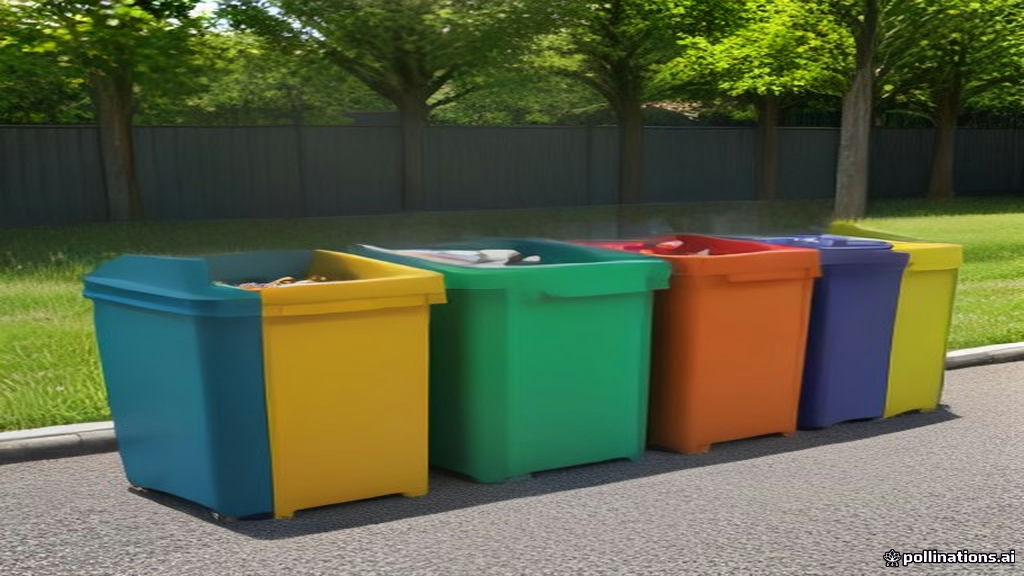
Segregation means separating waste at the source (your home or school). You sort it into organic (food waste), recyclable (paper, metal, glass), and landfill (non‑recyclable, non‑biodegradable) bins.
2. Collection and transportation
Think of a garbage truck as a delivery van that picks up each type of waste and moves it to the right facility.
3. Processing – where the magic happens
- Composting: turning organic waste into nutrient‑rich soil, like a kitchen garden’s natural fertilizer.
- Recycling: melting or shredding materials so they can become new products – paper into notebooks, plastic into bottles.
- Incineration: burning waste at high temperature to reduce its volume and generate energy, similar to a furnace.
- Landfilling: burying the leftover waste in a specially designed pit, much like a sandbox that’s lined to stop leaks.
4. Final disposal
After processing, the remaining material goes to a landfill, which is the last stop in the waste hierarchy – a ranking that prefers reduction, reuse, and recycling before dumping.
Comparison of common disposal methods
| Method | Advantages | Disadvantages |
|---|---|---|
| Composting | Creates useful soil, reduces methane | Needs space, works only for organic waste |
| Recycling | Conserves resources, saves energy | Requires clean segregation, market demand fluctuates |
| Incineration | Reduces volume, can produce electricity | Emits pollutants, high setup cost |
| Landfilling | Simple to operate, handles mixed waste | Long‑term land use, leachate can pollute groundwater |
Tips for effective waste segregation at school
- Label bins with pictures – a banana for organics, a bottle for recyclables.
- Teach classmates a 3‑step rule: Look, Separate, Place.
- Start a compost corner for cafeteria waste; turn it into garden mulch.
- Organize a monthly “swap‑and‑donate” day to reduce non‑biodegradable waste.
Quick recap
- Solid waste = all dry stuff we throw away.
- Separate it early – organic, recyclable, landfill.
- Processing methods: composting, recycling, incineration, landfilling.
- Follow the waste hierarchy: reduce, reuse, recycle before dump.
📝 Likely Exam Questions
- Define solid waste and give two examples. Solid waste is dry refuse such as paper wrappers and broken toys. Examples: a used plastic bottle and a banana peel.
- Explain the importance of segregation in solid waste management. Segregation sorts waste at the source, making recycling easier, reducing landfill load, and preventing contamination of organic waste.
- List and describe any three methods of solid waste processing. Composting turns organic waste into soil; recycling converts paper, metal, glass into new products; incineration burns waste to cut volume and can generate electricity.
- Draw a simple flowchart showing the steps of solid waste management. (Students can sketch the flow: Generation → Segregation → Collection → Transportation → Processing → Final Disposal.)
- Why is landfilling considered the last option in the waste hierarchy? Because it merely stores waste without recovering resources, can cause pollution, and occupies land that could be used for other purposes.