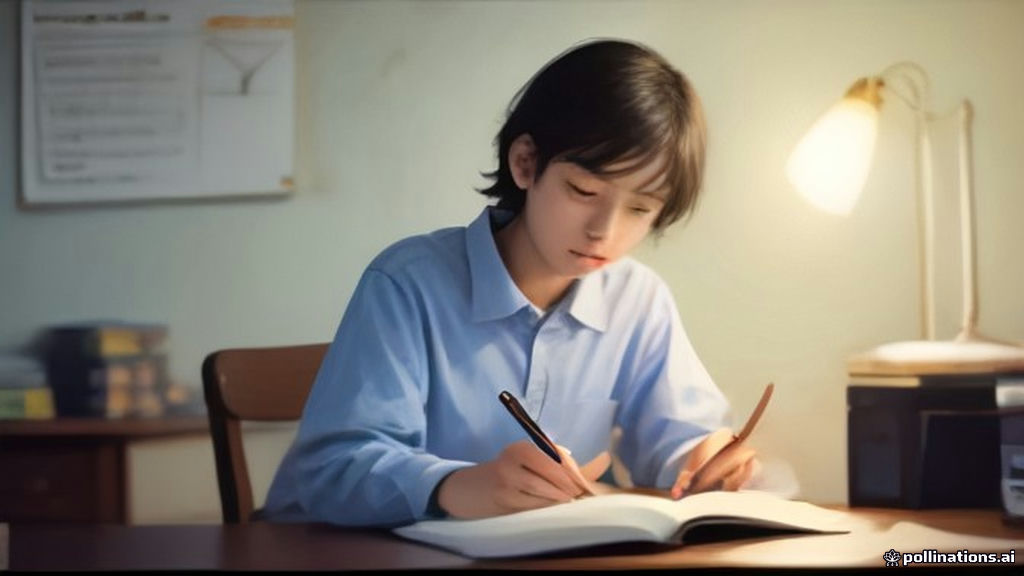
Why a Good Prose Summary Can Boost Your ICSE Marks
Ever felt the panic of a blank page when the exam asks you to summarise a story? A neat, accurate summary is like a cheat‑code – it shows you understood the text and saves you precious time.
💡 In Simple Words: A prose summary is a short version of a story that tells the main events and ideas in your own words. Think of it as a movie trailer that gives the gist without spoiling every detail.
What Exactly Is a Prose Summary?
A prose summary condenses a passage into a fraction of its original length while keeping the core meaning. It’s not a copy‑paste of sentences; you rewrite the ideas using simpler language.
Step‑by‑Step Guide to Writing a Perfect Summary
Summarising is a small process you can master with a clear routine. Follow these four moves and you’ll never be stuck again.
Step 1: Read Actively
Read the prose once for enjoyment, then a second time with a pencil. Mark any unfamiliar words and note the tone – is it cheerful, gloomy, or mysterious? Treat the text like a puzzle; each clue helps you see the picture.
Step 2: Highlight Key Ideas
Pick out the who, what, where, when, why, and how. These are the six questions journalists ask – they give you the skeleton of the story. Write them in a margin list; you’ll use this list to build your summary.
Step 3: Draft in Your Own Words
Now turn the bullet points into sentences. Keep each sentence short, and avoid copying phrases longer than three words. Imagine you’re explaining the story to a friend who missed class – that’s the tone you want.
Step 4: Check Length and Accuracy
ICSE usually asks for a summary of about one‑third of the original word count. Count your words (most phones have a word‑counter in the notes app). Then reread your draft to be sure you haven’t added opinions or missed a crucial event.
Do’s and Don’ts at a Glance
| Do | Don’t |
|---|---|
| Use your own voice – rewrite, don’t copy. | Copy whole sentences from the text. |
| Include all major characters and events. | Leave out the climax or resolution. |
| Keep the summary concise – aim for 30‑40% of the original length. | Write a paragraph that’s as long as the original. |
| Proofread for grammar and spelling. | Ignore punctuation; it can change meaning. |
Common Mistakes to Avoid
- Adding personal opinions – a summary is neutral.
- Using vague words like “stuff” or “things.” Be specific.
- Skipping the author’s purpose – why did they write the piece?
- Repeating the same idea in different sentences.
Quick Checklist Before You Hand In
- All main events are present?
- Word count is within the required limit?
- Written in your own words, no copied phrases?
- Free of spelling and grammar slips?
📝 Likely Exam Questions
- Q1: Write a summary of the prose “The Little Girl Who Lost Her Way” in about 80 words.
Model answer: The story follows Maya, a curious girl who wanders away from her village during a festival. She meets a kind old man who guides her back, teaching her the value of listening to elders. The narrative ends with Maya promising to stay close to home, illustrating the lesson that curiosity must be balanced with caution. - Q2: List three tips for writing a good summary for the ICSE English exam.
Model answer: (1) Read the passage twice – once for meaning, once for details. (2) Note the who, what, where, when, why, and how. (3) Rewrite the notes in your own words, keeping the length to about one‑third of the original. - Q3: Why is it important to avoid copying sentences from the original text?
Model answer: Copying shows you haven’t understood the passage and can lead to loss of marks for plagiarism. Rewriting demonstrates comprehension and allows you to fit the summary into the required word limit.