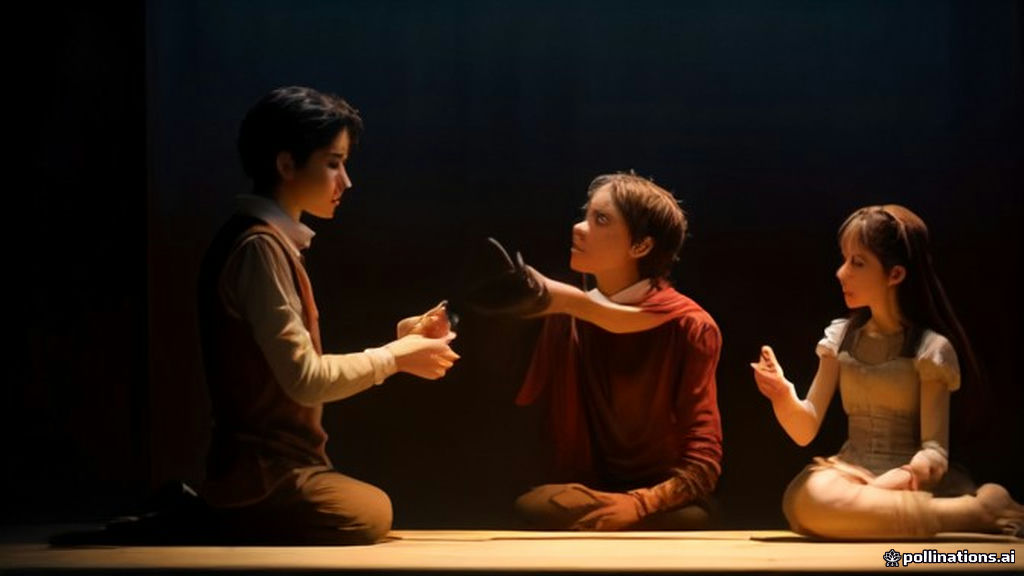
Ever wondered why the hero’s choices feel like yours?
💡 In Simple Words: A character is the person (or sometimes an animal or thing) who acts in a play. Conflict is the problem that pushes the character to act. When you see how they clash, you understand why the story moves.
What does "character" really mean?
A character is any figure that the playwright gives a voice, thoughts, or actions. Think of a character like a player in a board game – each one has a set of pieces (traits) that decide how they move across the board (the story).
- Static character: stays the same from start to finish, like a reliable side‑kick.
- Dynamic character: changes because of the events, like a hero who learns a lesson.
- Round character: has many layers – hopes, fears, quirks – just like a real person.
- Flat character: only one dominant trait, like the villain who is simply "evil".
What is "conflict" in a drama?
Conflict is the obstacle that forces a character to make a choice. It’s the engine that keeps the audience glued. Imagine water trying to flow through a blocked pipe – the pressure builds until something gives. In a play, that pressure is the tension we feel.
Common types of conflict
| Type of Conflict | What it means | Typical drama example |
|---|---|---|
| Man vs Self | A character battles their own thoughts or feelings. | Hamlet’s indecision about avenging his father. |
| Man vs Man | Two characters oppose each other. | Romeo vs. Tybalt in Romeo and Juliet. |
| Man vs Society | One character fights rules, traditions, or expectations. | John Proctor vs. the theocratic court in The Crucible. |
| Man vs Nature | Human versus natural forces. | Oedipus confronting the plague in Oedipus Rex. |
| Man vs Technology | Human against machines or inventions. | Willy Loman vs. the modern sales system in Death of a Salesman. |
How character and conflict dance together
When a conflict appears, a character’s traits decide the reaction. A brave character might charge ahead; a fearful one may freeze. That reaction then creates new problems, forming a chain reaction – just like dominoes.
Step‑by‑step guide to analyse a character’s conflict
- Identify the conflict: Look for the problem that disturbs the character’s world.
- Spot the character’s traits: Note adjectives, dialogue, and actions that reveal personality.
- Ask what the conflict forces them to do: Does it push them to change, stay the same, or reveal a hidden side?
- Check the outcome: Does the conflict resolve, worsen, or lead to a new dilemma?
- Connect to the theme: Themes are the big ideas (like “justice” or “identity”). See how the character’s struggle illustrates the theme.
Quick bullet‑point recap
- Character = the “who” of the drama; conflict = the “what’s wrong”.
- Dynamic characters grow; static ones stay the same.
- Five classic conflict types: self, another person, society, nature, technology.
- Analyse by spotting conflict, noting traits, seeing actions, checking outcomes, linking to theme.
- Use concrete quotes to back up every point in your answer.
📝 Likely Exam Questions
- Explain how the conflict in The Crucible reveals John Proctor’s character.
Model answer: Proctor faces a moral clash between his honesty and the town’s hysteria. His refusal to sign a false confession shows his integrity, while his earlier affair shows his inner guilt, making him a dynamic, round character who ultimately sacrifices himself for truth. - What type of conflict does Hamlet experience, and how does it affect his development?
Model answer: Hamlet suffers a Man vs Self conflict – he wrestles with indecision about avenging his father. This internal battle makes him a dynamic character, shifting from melancholy to decisive action, which drives the plot toward tragedy. - Compare the conflict faced by Oedipus in Oedipus Rex with that of Willy Loman in Death of a Salesman.
Model answer: Oedipus confronts Man vs Nature (the plague) that leads to self‑discovery, while Willy battles Man vs Society, feeling crushed by modern capitalism. Both conflicts expose their flaws, but Oedipus’s ends in catharsis, whereas Willy’s ends in despair. - How does a static character contribute to the tension in a play?
Model answer: A static character, by staying unchanged, often acts as a foil – a contrast that highlights the protagonist’s growth. Their predictability can intensify the conflict because the audience knows they will resist change, keeping the stakes high. - Write a short paragraph analysing the role of Man vs Technology conflict in a modern drama you have studied.
Model answer: In Death of a Salesman, Willy Loman’s clash with the new sales technology shows his inability to adapt. This Man vs Technology conflict underscores his feeling of obsolescence, turning his personal failure into a broader commentary on post‑war American consumerism.