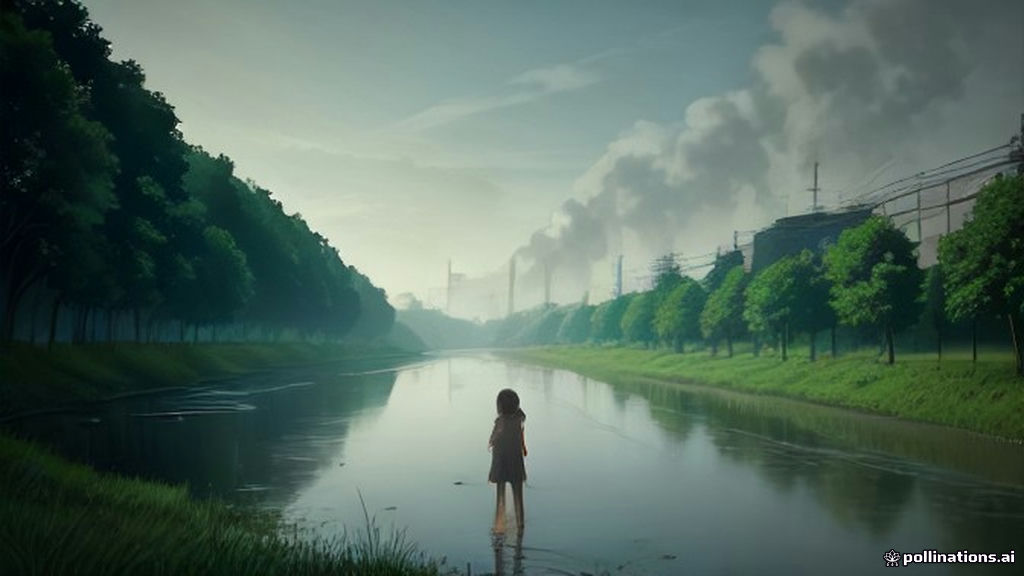
Why should you care about pollution?
Imagine stepping outside and feeling a thick haze, hearing constant honking, or drinking water that tastes funny. That's pollution knocking on your door, and it affects health, crops, and even your favorite video games that need electricity.
Pollution is anything that harms living things or the environment. By spotting the main kinds and learning how to curb them, we can keep air, water, and soil cleaner for everyone.
What are the main types of pollution?
Biology class groups pollution into a handful of easy‑to‑remember categories. Each one has its own culprits and consequences.
Air Pollution
Air pollution means unwanted gases or particles floating in the atmosphere. Think of smog over Delhi or the smell of car exhaust on a busy road.
- Common sources: factories, vehicles, burning of fossil fuels, open fires.
- Major effects: respiratory problems, acid rain, climate change.
- Control methods: use of catalytic converters, shifting to renewable energy, planting trees, enforcing emission standards.
Water Pollution
Water pollution is the contamination of lakes, rivers, oceans, or groundwater. Picture a river turning brown after a factory dumps waste.
- Common sources: industrial effluents, sewage discharge, agricultural runoff (pesticides, fertilizers), oil spills.
- Major effects: water‑borne diseases, loss of aquatic life, eutrophication (excess nutrients causing algal blooms).
- Control methods: treatment plants, proper waste disposal, using biodegradable detergents, constructing check dams to trap runoff.
Soil (Land) Pollution
Soil pollution occurs when harmful chemicals degrade the quality of earth. Imagine crops growing in soil laced with heavy metals.
- Common sources: excessive use of pesticides, improper landfill, mining activities.
- Major effects: reduced fertility, uptake of toxins by plants, disruption of soil microbes.
- Control methods: organic farming, composting, phytoremediation (using plants to clean soil), strict waste‑dumping laws.
Noise Pollution
Noise pollution is unwanted or harmful sound. Think of a highway that never quiets down.
- Common sources: traffic, construction, loudspeakers, industrial machines.
- Major effects: hearing loss, stress, sleep disturbance.
- Control methods: sound‑proof barriers, regulating horn use, promoting quieter machinery, zoning laws.
Other Types – Light and Thermal Pollution
Light pollution brightens the night sky, making stars hard to see, while thermal pollution raises water temperature, hurting fish. Both stem from human activities like excessive street lighting or discharge of hot water from power plants.
How can we control pollution? Simple steps
Control isn’t a one‑time fix; it’s a cycle of awareness, action, and review.
Quick comparison of types, effects, and controls
| Type | Common Sources | Major Effect | Control Method |
|---|---|---|---|
| Air | Factories, vehicles | Respiratory diseases | Clean fuels, trees |
| Water | Industrial effluents, sewage | Water‑borne diseases | Treatment plants, biodegradable products |
| Soil | Pesticides, landfill | Crop toxicity | Organic farming, phytoremediation |
| Noise | Traffic, construction | Hearing loss | Sound barriers, regulations |
| Light | Street lamps, billboards | Disrupted ecosystems | Shielded lighting, dimmers |
📝 Likely Exam Questions
- Explain two major sources of air pollution and one control measure for each.
Answer: Vehicles emit carbon monoxide; using catalytic converters reduces it. Factories release sulfur dioxide; installing scrubbers removes it. - What is eutrophication and how does it relate to water pollution?
Answer: Eutrophication is excessive nutrient buildup causing algal blooms that deplete oxygen, often caused by agricultural runoff. - List three methods to control soil pollution.
Answer: Use organic fertilizers, practice crop rotation, and employ phytoremediation with hyper‑accumulator plants. - Why is noise pollution harmful to human health?
Answer: Prolonged loud noise can damage ear cells, raise stress hormones, and disturb sleep patterns. - Describe the cycle of pollution control in a few steps.
Answer: Identify the source, implement appropriate control measures, educate the community, monitor results, and adjust strategies as needed.