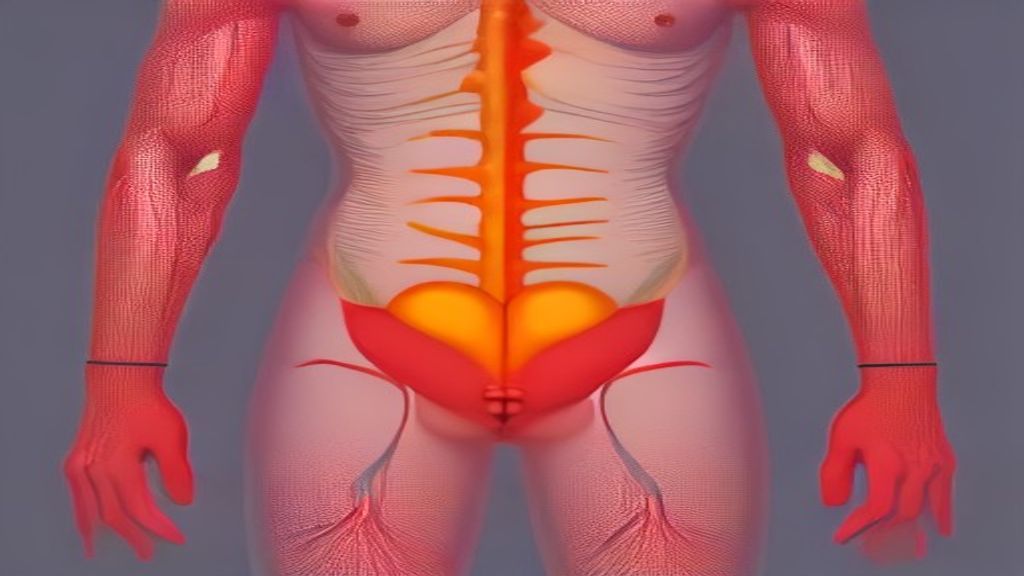
Ever wondered how your body gets rid of the waste from the food you eat? That clean‑up crew is the excretory system, and it works like a super‑efficient recycling plant.
💡 In Simple Words: The excretory system is the body’s waste‑removal network. It filters blood, turns extra water and chemicals into urine, and then sends the urine out of the body.
What is the Excretory System?
The excretory system (a group of organs that remove waste) keeps our internal environment stable. Think of it as a plumbing system: just as a house needs pipes to carry away dirty water, our body needs organs to flush out metabolic trash.
Major Organs of the Human Excretory System
- Kidneys – two bean‑shaped organs that act as the main filters.
- Ureters – thin tubes that transport urine from each kidney to the bladder.
- Bladder – a stretchy sac that stores urine until we’re ready to go.
- Urethra – the final pipe that lets urine leave the body.
Inside each kidney lies millions of tiny filtering units called nephrons. A nephron is like a tiny factory that turns blood into urine.
How Urine is Formed – The Four Steps
Urine formation follows a clear sequence, just like making coffee:
- Filtration – Blood pressure pushes plasma (the liquid part of blood) through a mesh called the glomerulus (a ball of tiny blood vessels). It’s similar to water passing through a coffee filter, leaving larger particles behind.
- Reabsorption – As the filtered fluid travels through the tubule (a long, winding tube), useful substances like glucose and most water are sucked back into the blood. Imagine a sponge soaking up the good stuff.
- Secretion – Extra waste ions and drugs are added into the tubule from the blood, like tossing unwanted crumbs into a bowl.
- Excretion – The final liquid, now called urine, drains into the collecting duct and moves to the ureter.
graph TD
A[Filtration at glomerulus] --> B[Fluid enters renal tubule]
B --> C[Reabsorption of water & nutrients]
C --> D[Secretion of extra waste]
D --> E[Urine collects in collecting duct]
E --> F[Urine travels down ureter to bladder]
Key Functions and Why They Matter
- Removes nitrogenous waste (like urea) that can be toxic.
- Regulates water balance – keeps you from getting too watery or too dry.
- Controls electrolyte levels (salts like sodium and potassium) for nerve and muscle function.
- Maintains acid‑base balance, keeping blood pH steady.
Quick Summary Table
| Organ | Main Role |
|---|---|
| Kidneys | Filter blood, form urine |
| Ureters | Carry urine to bladder |
| Bladder | Store urine temporarily |
| Urethra | Expel urine from the body |
📝 Likely Exam Questions
- What are the four steps of urine formation?
Answer: Filtration, reabsorption, secretion, and excretion. - Name the main organs of the human excretory system and one function of each.
Answer: Kidneys – filter blood; Ureters – transport urine; Bladder – store urine; Urethra – discharge urine. - Explain how the glomerulus works like a coffee filter.
Answer: Blood pressure forces plasma through the glomerular mesh, letting water and small solutes pass while retaining larger cells and proteins, similar to coffee grounds staying behind while liquid passes. - Why is reabsorption important?
Answer: It returns valuable substances (glucose, most water, ions) to the bloodstream, preventing loss of nutrients and maintaining fluid balance. - How does the excretory system help keep blood pH stable?
Answer: By excreting hydrogen ions and reabsorbing bicarbonate, the kidneys adjust the acidity of the blood.
#ICSE#Biology#Excretory System#Class 10#Human Anatomy
More from us