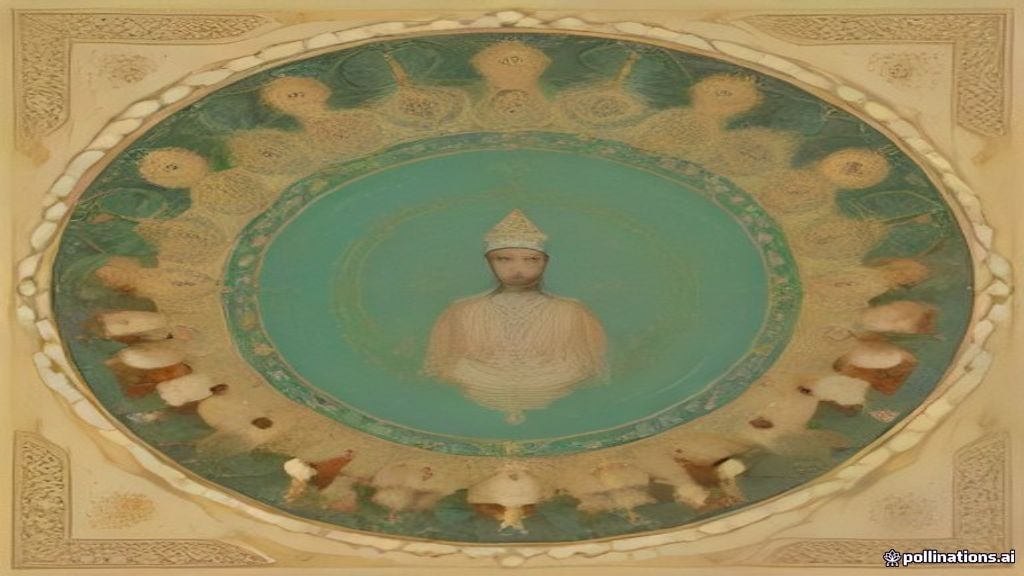
Why Mughal Court Culture Matters
Imagine stepping into a palace where poetry floated like perfume and a single word could shift a noble’s fortune. That buzz of art, politics, and etiquette is the heartbeat of Mughal court culture – and it shows up in the very papers, pictures, and verses historians love to read.
💡 In Simple Words: The Mughal court was a lively mix of rulers, poets, painters, and foreign visitors. By looking at what they wrote, painted, or recorded, we can picture daily life, power games, and the empire’s values.
What are Primary Sources?
A primary source is any material created at the time an event happened. Think of it as a snapshot taken by someone who was actually there – a diary, a stone inscription, a painting, or a traveler's notebook.
Key Types of Mughal Court Sources
- Official chronicles – books like the Akbarnama (Akbar’s biography) written by court historians.
- Administrative manuals – the Ain-i-Akbari details taxes, land revenue, and court ranks.
- Poetry and literature – verses by court poets such as Faizi reveal royal tastes and etiquette.
- Mughal miniatures – small, detailed paintings that capture festivals, battles, and daily rituals.
- European travelogues – accounts by visitors like Jean‑Baptiste Tavernier give outsider perspectives.
What Each Source Tells Us
| Source | What It Shows | Reliability |
|---|---|---|
| Akbarnama (chronicle) | Emperor’s campaigns, court ceremonies, religious policies. | High for events the author witnessed; may glorify the ruler. |
| Ain‑i‑Akbari (administrative manual) | Revenue system, ranks of nobles, household expenses. | Very reliable for numbers; reflects official viewpoint. |
| Poetry (e.g., Faizi’s verses) | Patron‑artist relationship, aesthetic ideals, moral lessons. | Subjective; poetic exaggeration is common. |
| Mughal miniatures | Fashion, architecture, courtly gestures, gender roles. | Visually accurate but symbolic elements may be added. |
| European travelogues | First‑hand impressions of Delhi, market life, diplomatic gifts. | Valuable outsider view; cultural bias possible. |
Reading the Sources: A Mini‑Case Study
Take the description of the “Jharokha‑e‑Shahi” (royal balcony) in the Akbarnama. The chronicler notes that Akbar would listen to petitions from commoners there. A contemporary miniature paints the balcony crowded with men and women, while a European traveler mentions the same spot as a place where “the emperor greets his subjects”. Putting these three pieces together, we see a real practice of public audience, a visual cue of its grandeur, and an outsider’s surprise at a ruler’s accessibility.
How Historians Piece It Together
Historians act like detectives. They compare multiple sources, weigh the author’s purpose, and check for contradictions. For example, if a court poet praises a noble’s bravery, but the administrative manual records a fine for the same noble, the historian asks why the two accounts differ – perhaps the poet wanted to flatter, while the manual recorded a legal penalty.
Quick Summary
- Official chronicles give narrative detail but can be biased toward the emperor.
- Administrative texts provide hard data about revenue, ranks, and daily expenses.
- Poetry reflects cultural values and the personal relationship between patron and artist.
- Miniatures are visual clues to fashion, architecture, and gender norms.
- Travelogues add a fresh, sometimes critical, viewpoint from outside the empire.
📝 Likely Exam Questions
1. How do the Akbarnama and the Ain‑i‑Akbari complement each other in revealing Mughal court culture?
Both texts are court‑produced, but the Akbarnama tells stories of ceremonies and battles, while the Ain‑i‑Akbari
2. Explain why Mughal miniatures are valuable for understanding gender roles in the court.
Miniatures often depict women in private chambers, gardens, or festivals, showing how they participated in cultural life. The clothing, posture, and activities illustrated help us infer expectations and freedoms for elite women.
3. What are the strengths and limitations of using European travelogues as sources for Mughal court history?
Strengths: they provide an outsider’s fresh observations and can confirm details seen in Indian sources. Limitations: travelers may misinterpret rituals, focus on exotic aspects, or let their own cultural bias color the description.
4. Discuss how court poetry reflects the political ideology of the Mughal emperor.
Poets often praised the emperor’s justice, generosity, and divine right, reinforcing his legitimacy. By analyzing recurring motifs, we see how the court used art to project a stable, benevolent rule.
5. Using an example, show how historians resolve contradictions between two primary sources.
If a court chronicle claims a noble led a victorious battle, but the revenue record shows a sudden land confiscation for that same noble, historians might infer that the battle succeeded but the noble later fell out of favor, explaining the confiscation.